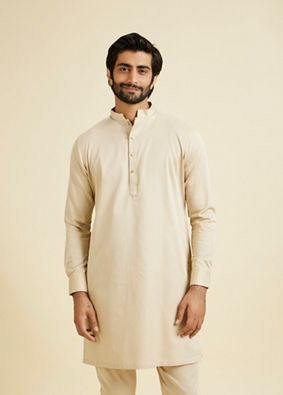
What a beige kurta look is all about
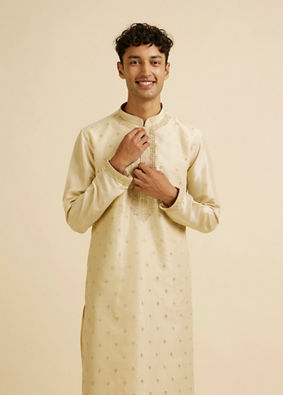
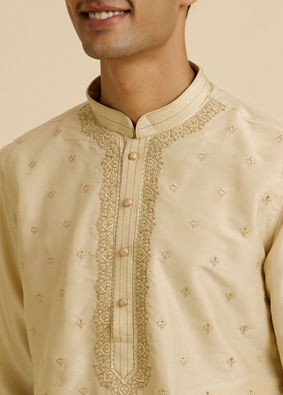
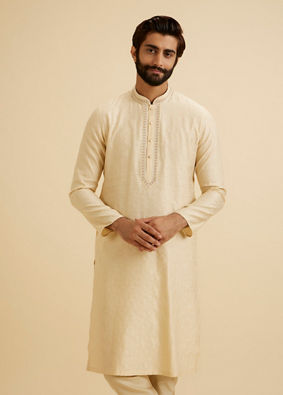
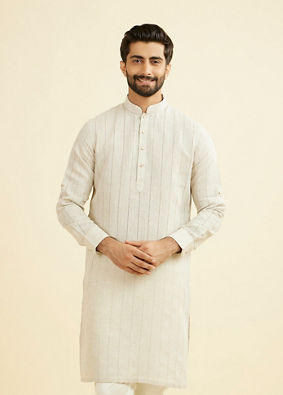
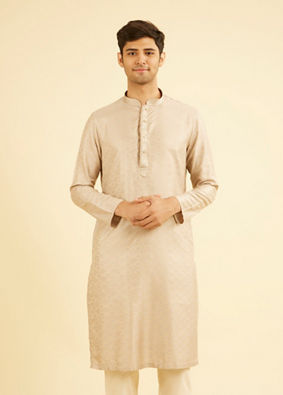
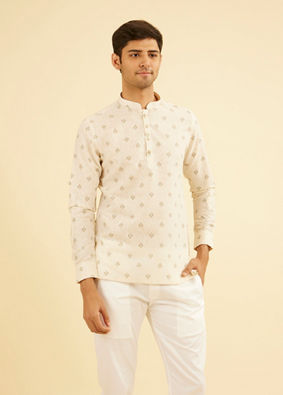
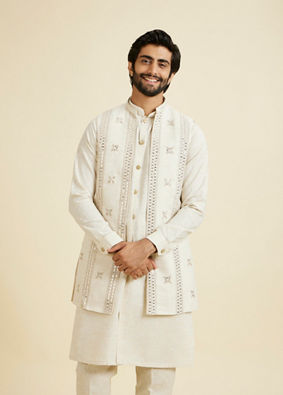
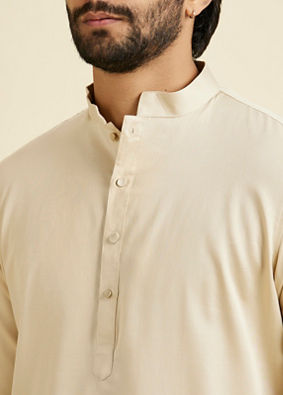
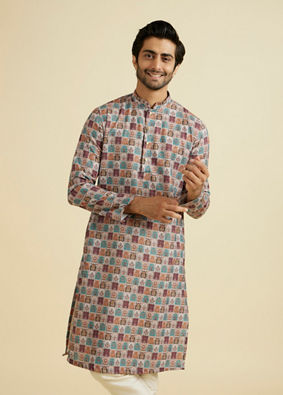
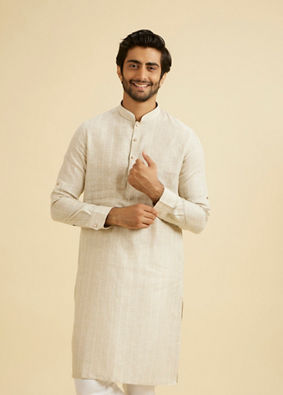
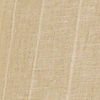
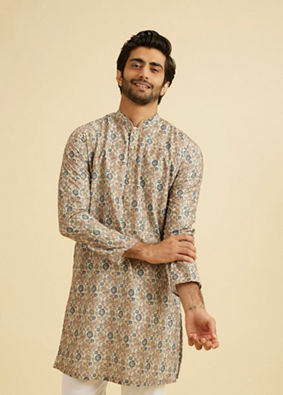
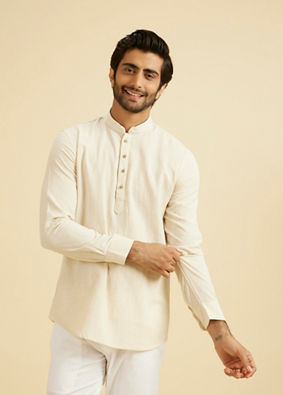
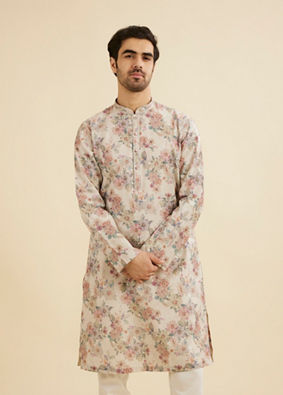
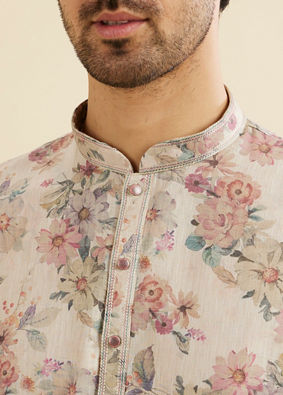
A beige kurta is a knee-length or slightly shorter kurta in soft beige, cream-beige, or beige-gold tones, cut in a straight or mildly tapered silhouette. It usually features a mandarin collar, full sleeves, and side slits, paired with coordinated churidar, pyjama, or dhoti-style bottoms depending on the set.
In Manyavar’s universe, this can mean several things—an art-silk woven style, a linen kurta with a relaxed fall, or a cream-beige set with buta or chikankari-inspired patterns. That flexibility is what makes a kurta such a natural anchor colour for celebrations and rituals.
Why it’s more than a one-time outfit
Beige sits in a sweet spot: it looks calmer than bold festive colours but richer than plain white, which makes this kurta perfect for the kind of intimate, photo-heavy functions happening now. It blends well with marigold décor, pastels, fairy lights, and hotel backdrops without fighting for attention, so your overall look feels balanced in pictures.
There’s also a strong preference for repeatable outfits that you can restyle across events. This kurta is easy to repeat because it behaves like a neutral—you can change just the jacket, stole, or bottom colour and it instantly feels like a different outfit.
How it behaves through the day
Manyavar focuses on fabrics that make the kurta feel both comfortable and occasion-ready. You’ll find:
-
Art silk and jacquard-style weaves that give a kurta a gentle sheen and structure, ideal for festive evenings and weddings.
-
Linen and linen-blend kurta options that feel airy, relaxed, and slightly more casual while still looking refined.
-
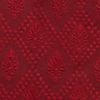
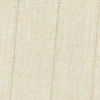
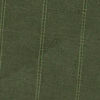
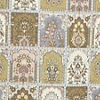
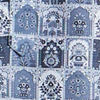
Soft blended bases with embroidery like chikankari or buta jaal patterns for a textured, dressier take on the kurta.
These fabrics are chosen to sit smoothly on the body, hold their shape, and stay comfortable through long ceremonies, standing rituals, and post-event dinners.
The shape and structure
A good kurta is all about clean proportions and thoughtful detailing. Manyavar’s pieces generally offer:
-
Straight or regular cuts that skim the body without clinging, flattering most builds.
-
Knee-length or slightly above-the-knee hemlines that work with churidar, tapered pyjamas, or dhoti/south dhoti styles.
-
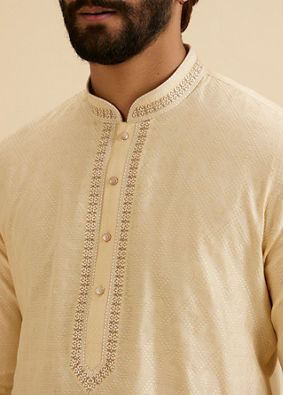
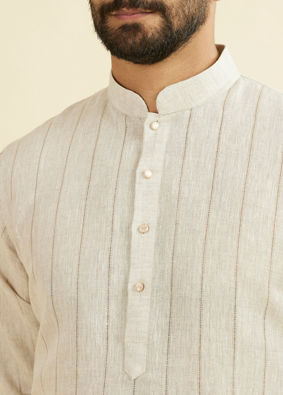
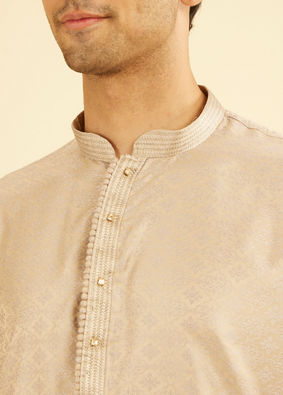
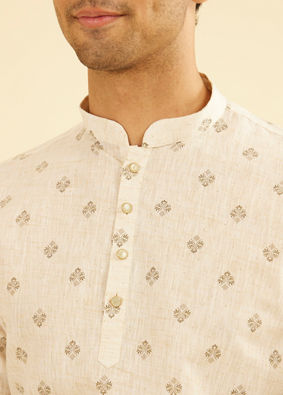
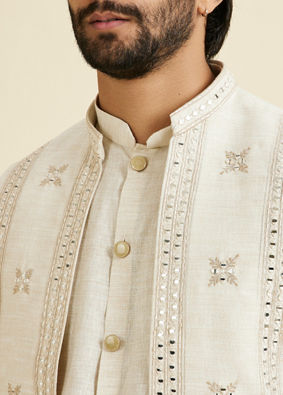
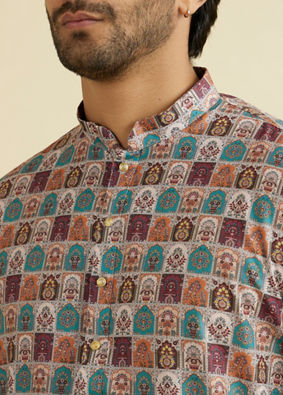
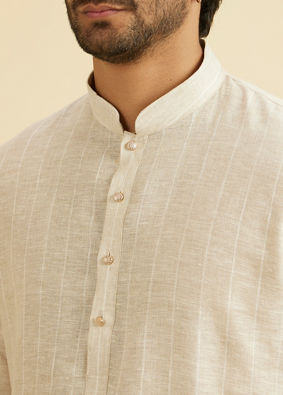
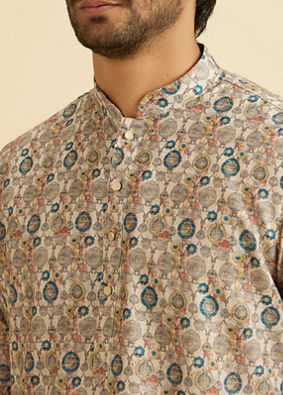
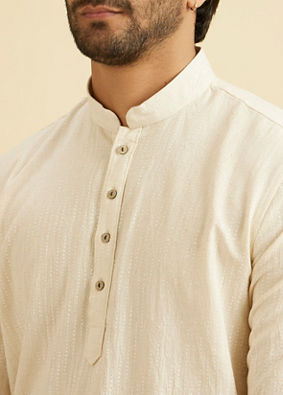
Mandarin necklines, full sleeves, and straight hems that keep the kurta looking sharp and structured.
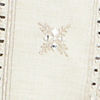
Design details can range from plain solids to woven patterns, thread work, or chikankari-style embroidery that adds depth without overwhelming the soft beige base. Many styles also integrate pockets, making the kurta practical for events where you’re carrying a phone or small essentials.
Shades, textures, and embellishments
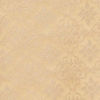
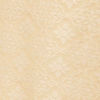
“Beige” covers a pleasing range of tones that each shift the mood of your kurta slightly. You’ll see:
-
Cream-beige and biscuit cream tones that feel light, calm, and great for daytime poojas and family functions.
-
Deeper beige and beige-gold shades that lean more festive and pick up light beautifully at evening events.
-
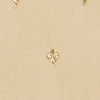
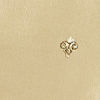
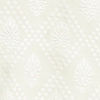
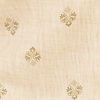
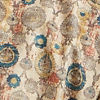
Beige styles with buta jaal, woven motifs, or chikankari-inspired embroidery when you want your kurta to carry its own pattern without heavy layering.
These textures and embellishments help your kurta look well-thought-out even if you’re keeping accessories minimal.
Where it fits in your calendar
It quietly fits into many moments across your year. It’s an easy choice for:
-
Festivals and home rituals: Diwali puja, housewarming ceremonies, family Satyanarayan katha, or temple visits followed by lunch.
-
Wedding functions: mehndi, haldi, day weddings, or roka ceremonies when styled with a sharper jacket or dhoti for a more festive feel.
-
Reception and engagement events: especially when the invite leans semi-formal and you want an elegant but not overly bold outfit.
-
Office and work gatherings: festive days, internal celebrations, or client dinners where a kurta with polished bottoms looks refined and professional.
-
Campus and social evenings: college ethnic days, farewell parties, or family dinners out where a kurta with the right footwear gives a smart, modern vibe.
Because beige is so adaptable, one well-chosen kurta can cover several of these scenarios with minor styling changes.
Simple switches that change the mood
How you style kurta can swing it from soft daytime to fully occasion-ready.
-
For an easy daytime look: Pair your kurta with white or off-white churidar or tapered pyjamas and tan kolhapuris or sandals. Keep accessories light—a watch, a kada, maybe a simple ring—to let the colour and texture breathe.
-
For weddings and big functions: Style a more worked kurta (jacquard, thread work, or chikankari) with a contrast jacket in maroon, bottle green, navy, or deep wine. Add mojaris or juti in beige, tan, or muted gold so the whole look feels cohesive from head to toe. A stole or dupatta in a deeper shade or with subtle motifs can further elevate the kurta for groomsmen or close-family roles.
-
For slightly different silhouettes: Pair a kurta with a south dhoti or dhoti-style bottom for more traditional or temple-centric events. Opt for a kurta with churidar and a light jacket for modern, Indo-western leaning gatherings at hotels or clubs.
With each combination, the same kurta can feel either minimal or more dressed up, depending on how you mix your layers and accessories.
How a beige kurta fits into your wardrobe
This kurta is a strong “bridge” piece in your wardrobe—it connects easily with whites, golds, pastels, and deeper colours, so it’s rarely a one-time wear. It’s especially useful when you want something softer than bold colours but a little more special than plain white. You can build smartly around it with:
-
One linen or light-textured kurta for daytime and more casual or summer events.
-
One richer kurta in art silk, jacquard, or embroidered fabric for weddings and evening celebrations.
-
A few mix-and-match bottoms (white churidar, off-white pyjama, dhoti/south dhoti) and 1–2 jackets plus juti pairs to create multiple looks.
With this setup, your kurta quickly becomes one of the most versatile pieces you own for celebrations, rituals, and social plans.
Frequently Asked Question (FAQs):
1. Where can I wear a beige kurta?
You can wear a kurta for festivals, home poojas, haldi or mehndi functions, day weddings, receptions, office festive days, and college ethnic events. Its neutral tone makes it suitable for both intimate family occasions and more formal celebrations.
2. Which fabric is best for a beige kurta?
This kurta styles in art silk or jacquard feel great for weddings and evening events, while linen and softer blends work well for daytime and warm-weather functions. If you want added texture, chikankari or buta-patterned kurtas balance comfort with richer detailing.
3. How should a beige kurta fit?
A kurta should sit neatly at the shoulders with a straight, easy fall over the chest and waist. The length typically reaches the knee or just above, with side slits that let you move, sit, and stand comfortably through long events.
4. What can I pair with a beige kurta?
You can pair a kurta with white or cream churidar, tapered pyjamas, dhoti or south dhoti, and finish the look with tan or beige juti or mojaris. For extra impact, layer a contrast jacket or add a stole in deeper tones like maroon, green, or navy.
5. Is a beige kurta suitable for weddings?
Yes, a well-chosen kurta, especially in woven, jacquard, or embroidered fabrics, is very suitable for weddings and related functions. You can easily elevate it with a jacket, statement footwear, and a few accessories if you’re part of the close circle

 Filter