Where Your Saree Story Starts
Almost everyone remembers the first saree they wore. Maybe you borrowed it from your mother for a school farewell, or pinned it on in a hurry before a cousin's engagement. Today, a saree for women is less about rules and more about choice. You can wear it sleek with a sleeveless blouse at a cocktail night, or keep it classic with a full pallu and a gajra at the pheras.
Start with a craft you love, a fabric that suits your day, or a color you've been wanting to try, then explore the edits linked below.
The Craft Behind Each Drape
What makes a saree special up close is the work. Before you look at color, it helps to know what each type of detailing brings to the look.
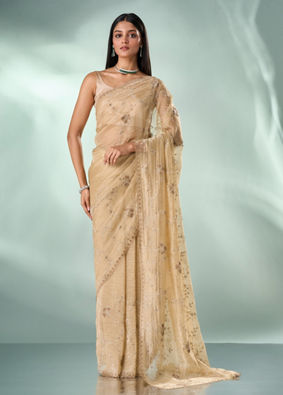
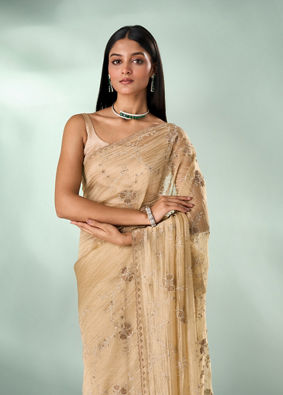
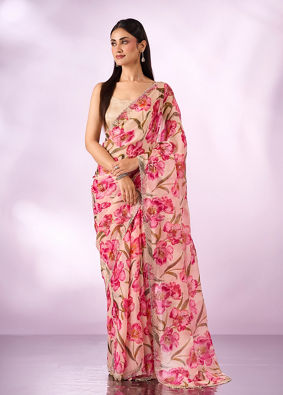
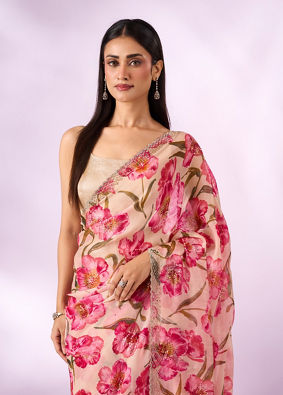
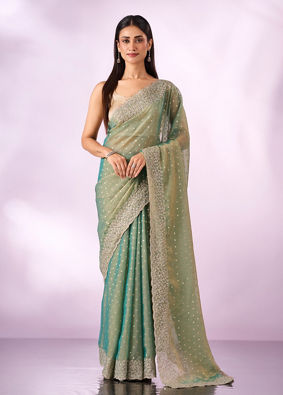
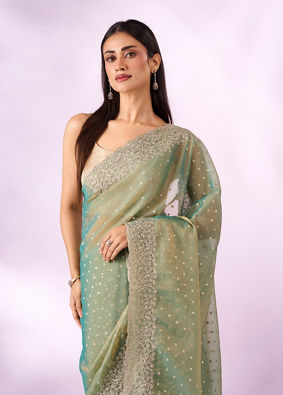
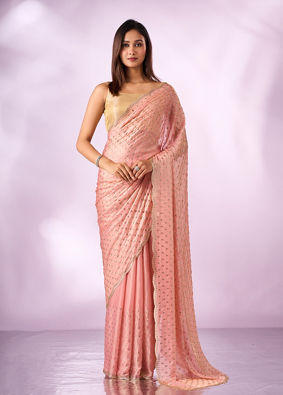
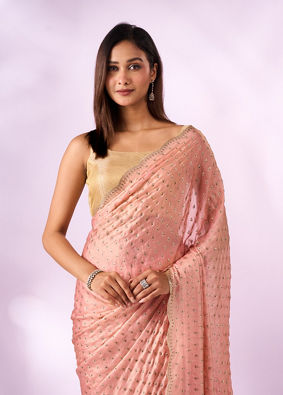
Cutdana work uses tiny cut-glass beads that catch the light with every move. It looks lovely on organza, where the sheer base lets the sparkle stand out without feeling heavy. The Pista Organza Saree with Cutdana Work show how the same work can feel bold in one shade and gentle in another.
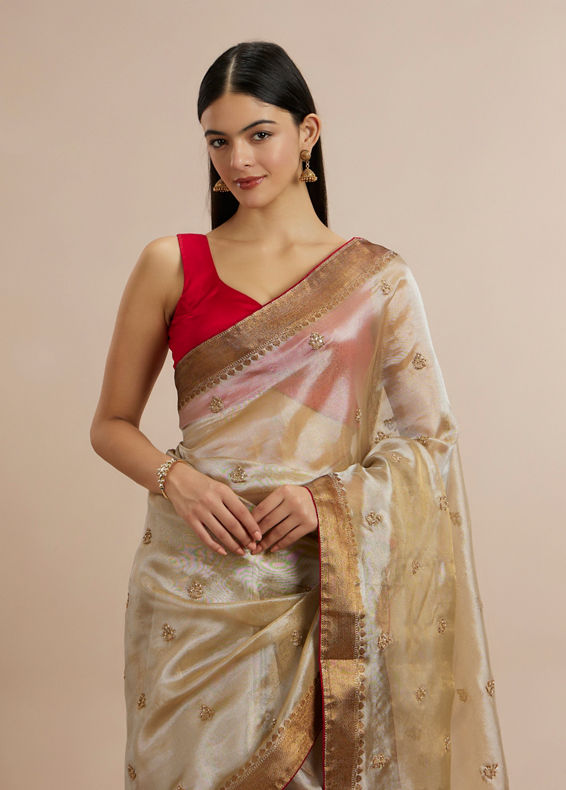
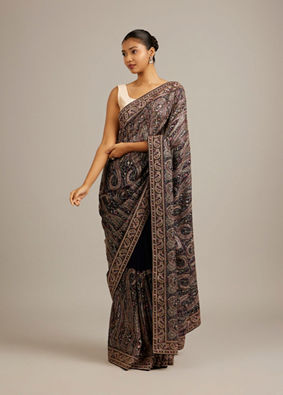
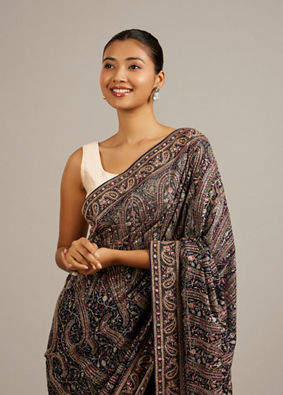
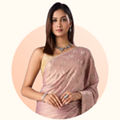
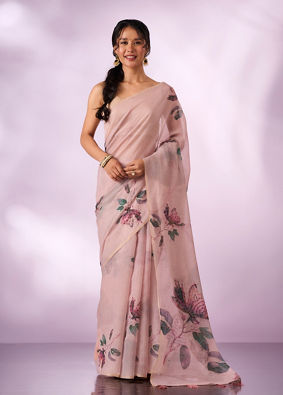
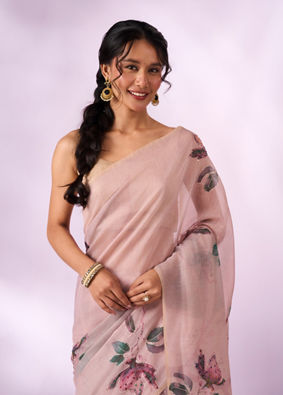
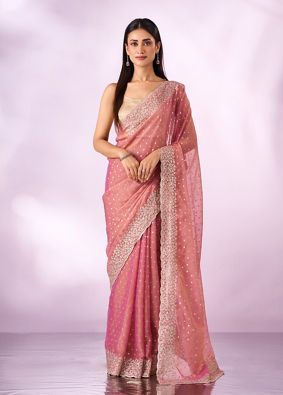
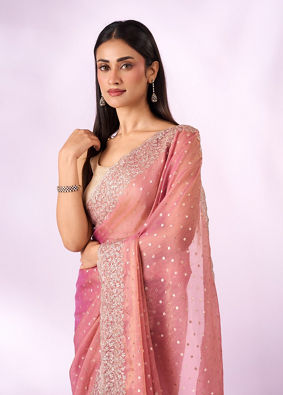
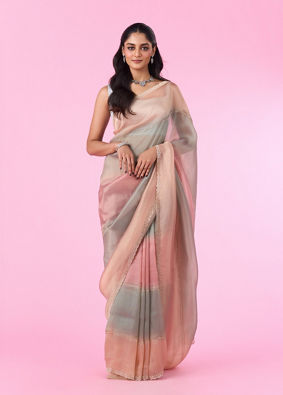
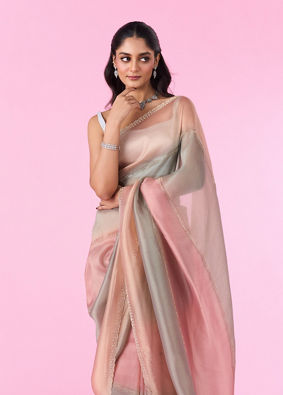
Hand embroidery has a quiet richness that is hard to miss. The threadwork sits slightly raised, so borders and pallus look textured in photos and in person. If you love detail that rewards a closer look, try the Light Pink Organza Saree with Hand Embroidery or explore hand-worked options.
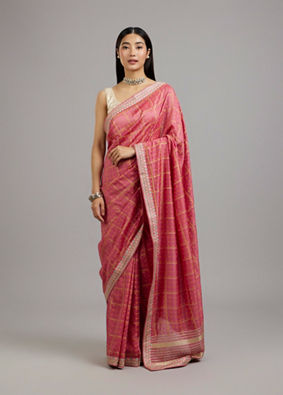
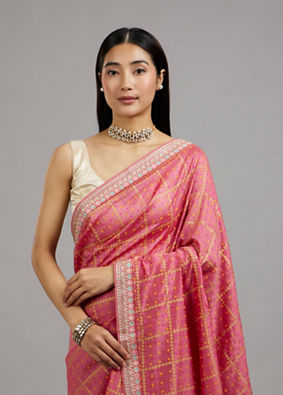
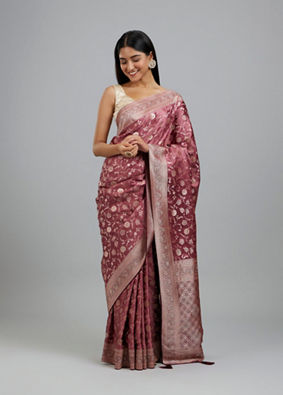
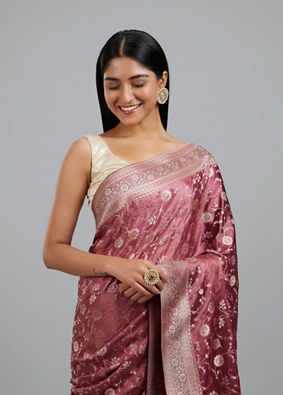
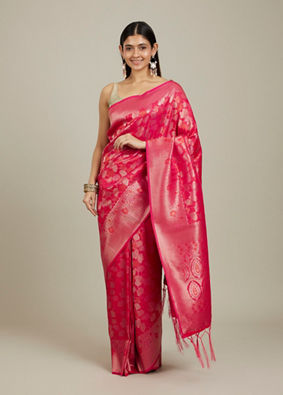
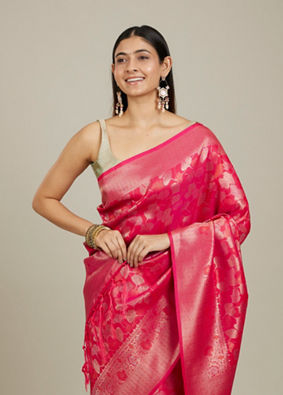
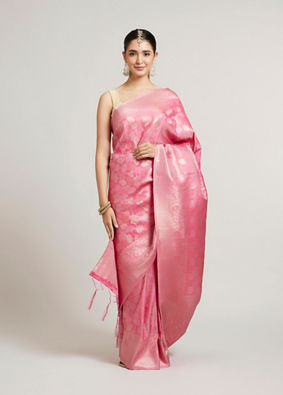
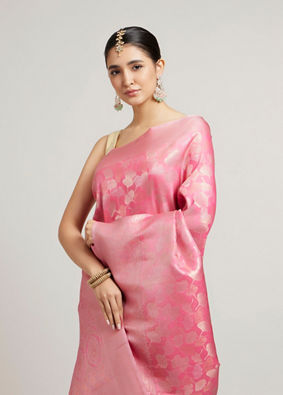
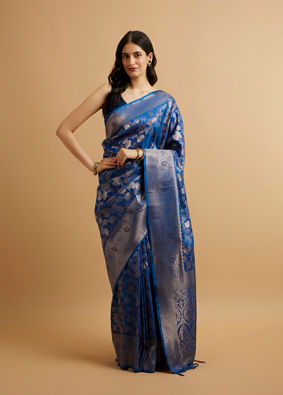
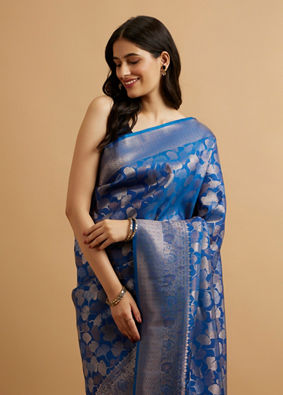
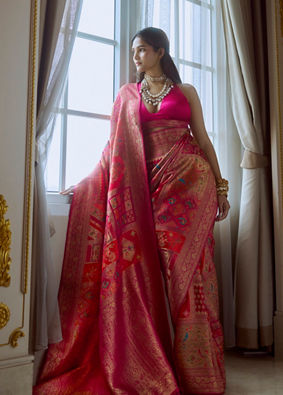
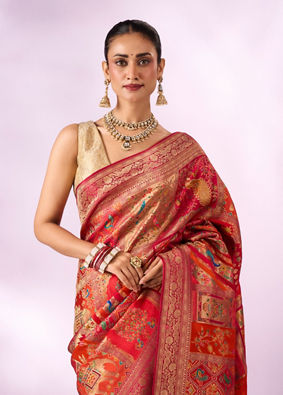
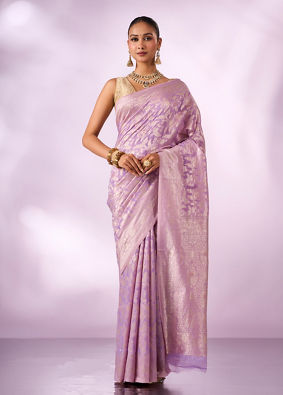
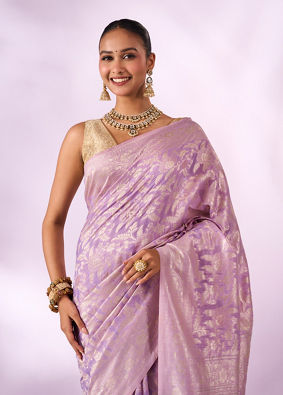
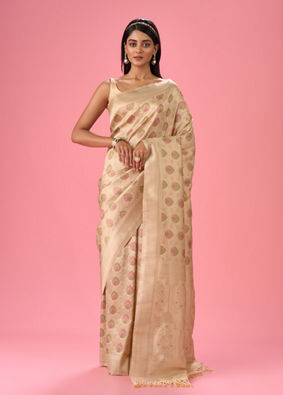
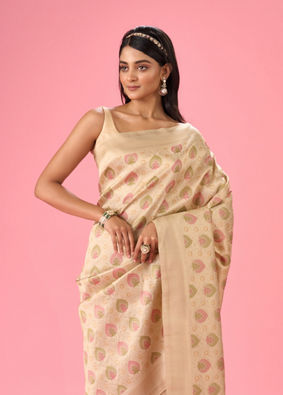
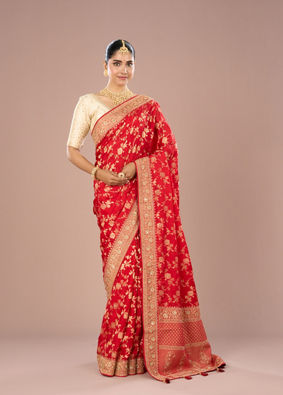
Zari weave is different from surface work. Metallic threads are woven into the fabric itself, which gives Banarasi sarees their motifs and weight. The Pink Silk Banarasi Saree with Weave Design is a good example, and you'll find more in the Weave Saree edit.
Zardozi, stone, mirror, and moti work are your statement choices. Zardozi uses metallic thread embroidery for a regal finish, while stones, mirrors, and pearls add shine and a bit of play. Stonework on a dark organza base looks sharp rather than loud, and the Designer Saree edit has plenty of embellished picks like this.
Fabrics and How They Feel
Fabric decides how your saree moves, how it pleats, and how you feel after six hours of greeting relatives.
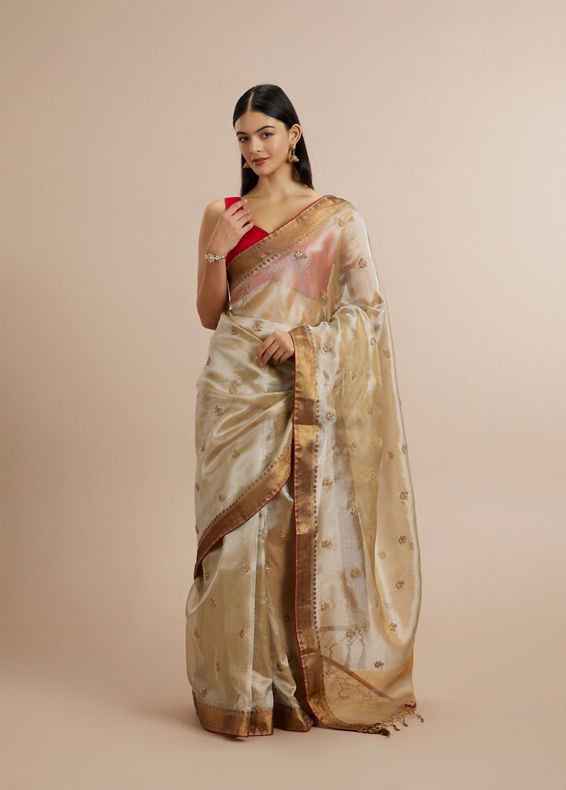
Organza is crisp and sheer, with a pallu that holds its shape beautifully in photos. It feels light but still looks structured, which is why it works for engagements and day functions. Explore the full organza saree range for embroidered and embellished options.
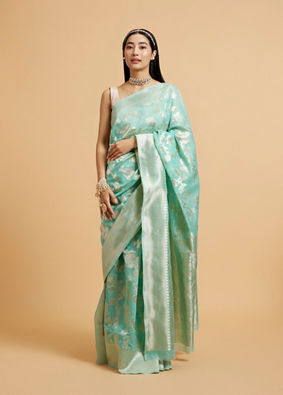
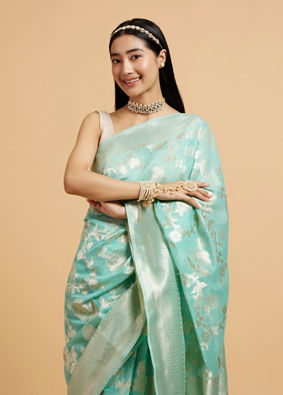
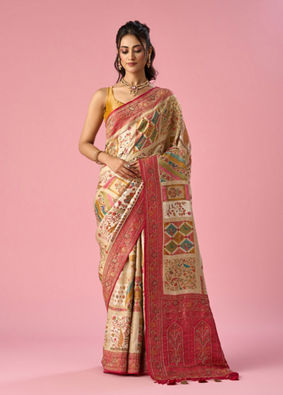
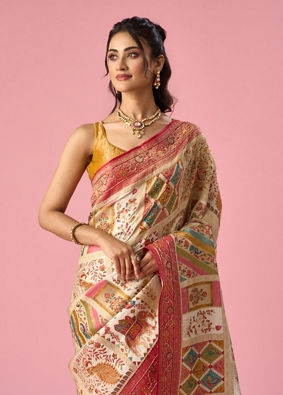
Silk and Banarasi drapes have weight, sheen, and presence. They pleat neatly, sit well on the shoulder, and suit big, meaningful moments. Browse silk saree for a wider pick, or go straight to Banarasi saree for woven motifs and rich borders. Art silk gives you a similar sheen in a lighter, easier-to-manage weight.
Georgette and chiffon are fluid and forgiving. They fall close to the body, pleat easily, and stay comfortable through long functions and dance-heavy nights. Find them in the georgette saree and Chiffon saree edits.
Net, crepe, chanderi, tissue, and velvet each bring something different. Net adds sheer drama for evening events, and crepe has a soft matte fall. Chanderi feels airy for day pujas, tissue gives a subtle shimmer, and velvet brings warmth and richness to winter receptions. Start with net sarees if you want something lightweight yet glam.
Saree for Women at Every Function
A wedding is rarely one day anymore. Here's how to plan sarees for women in the family throughout the year.
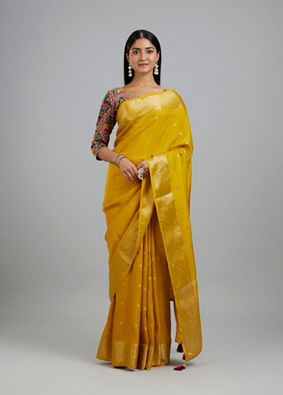
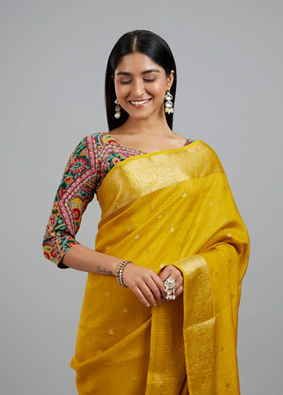
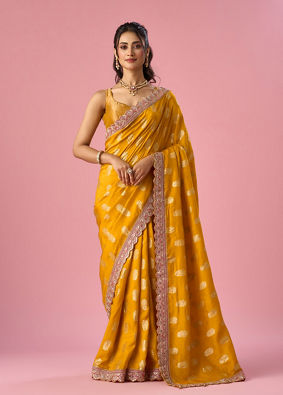
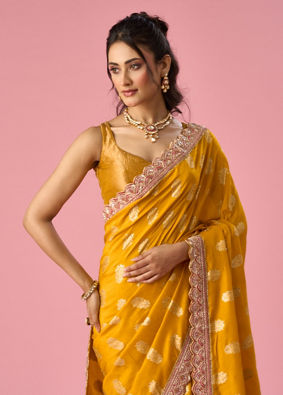
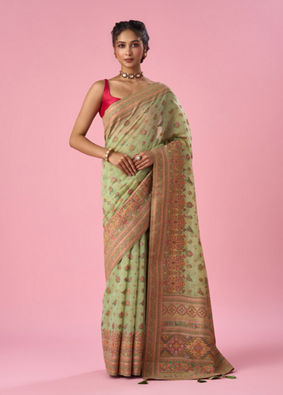
Haldi and mehendi are bright, playful, and a little messy, so choose lighter fabrics you won't have to worry about. Sunny shades from the yellow saree edit or fresh tones from green sarees look lovely against marigolds.
Sangeet and cocktail nights are where you can have some fun. Think sequins, stonework, a statement blouse, and a drape that lets you dance. The cocktail saree and party wear saree collections are made for these evenings.
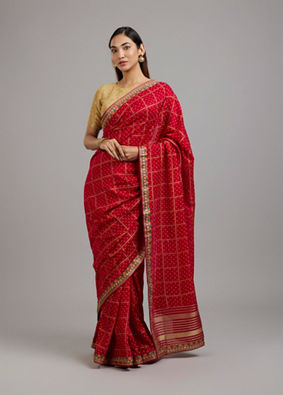
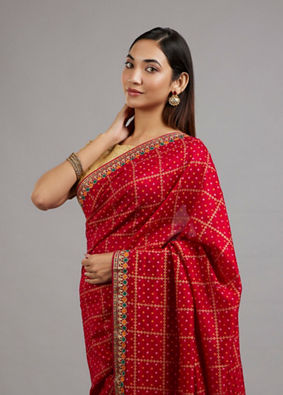
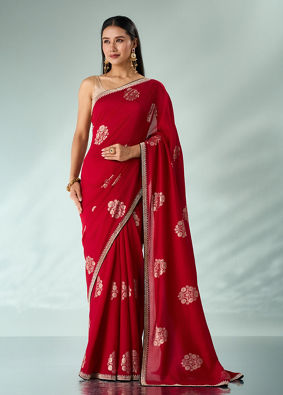
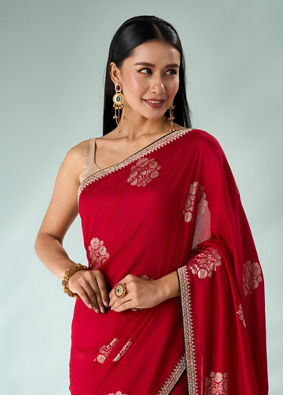
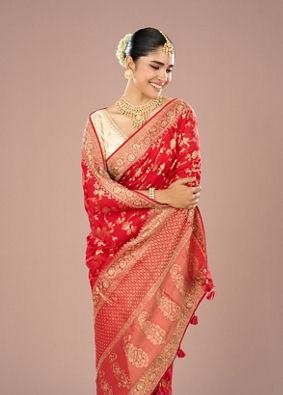
Pheras and the main ceremony call for depth and richness. Reds, maroons, and deep pinks in silk or Banarasi feel right in the mandap. Brides can explore bridal sarees, while sisters and close friends often love the energy of a rani pink saree.
Receptions are your chance to go a little modern. Heavier embellishment, a sleek drape, and jewel tones look great under stage lights.
Drapes for the Festive Season
Festivals each have their own mood, and your saree can reflect that.
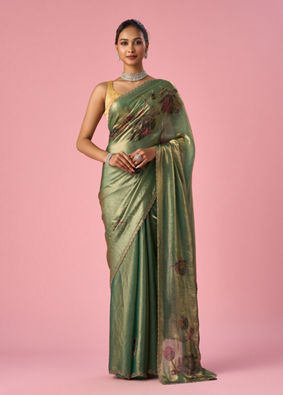
Diwali is about light, so lean into gold, wine, and jewel greens with zari or cutdana that sparkle under diyas. The Radiant Rama Green Banarasi Saree brings richness to Lakshmi puja without feeling overdone.
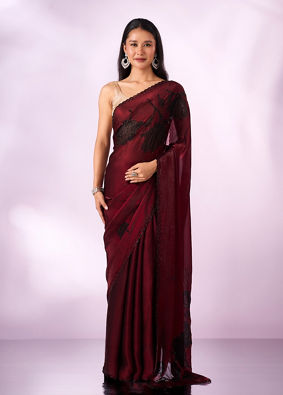
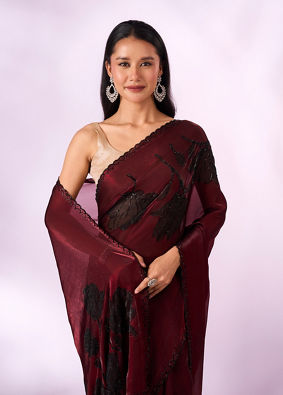
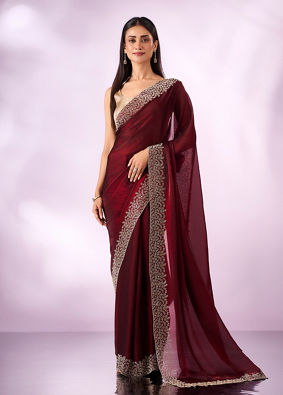
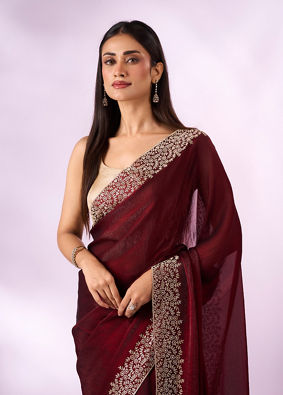
Karwa Chauth is all about red and deep bridal shades, often worn with sindoor and bangles. TA maroon organza with light stonework keeps the colour story rich but the weight light for an evening of waiting for the moon.
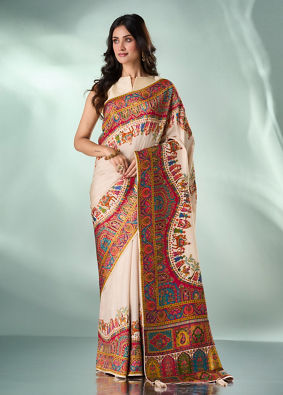
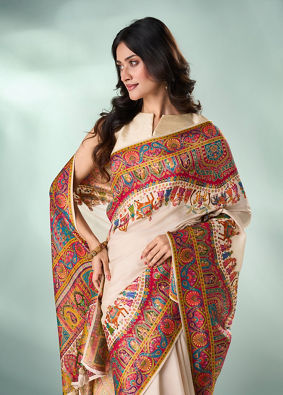
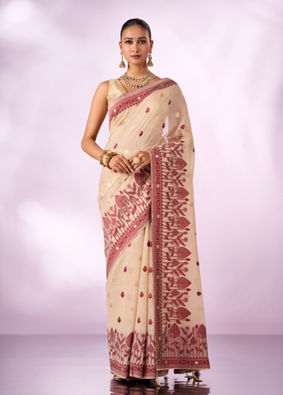
Durga Puja brings out cream-and-red pairings for pandal-hopping and sindoor khela. The Cream Silk Saree with Hand Embroidery beautifully with a red blouse.
Colors Worth Trying
Pinks and reds will always have a place, but some of the most striking looks come from shades people don't reach for first.
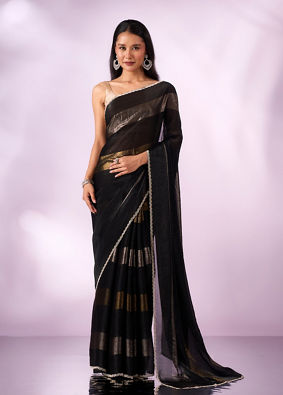
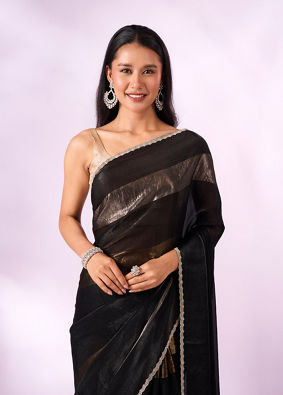
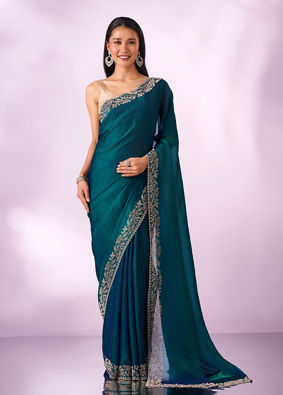
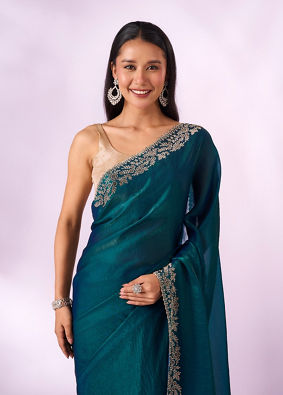
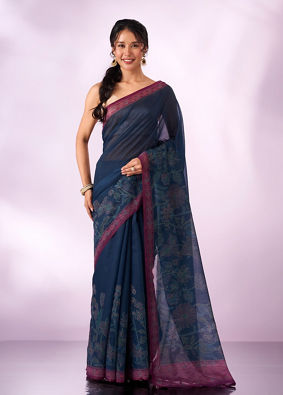
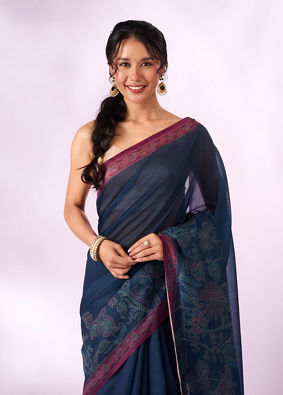
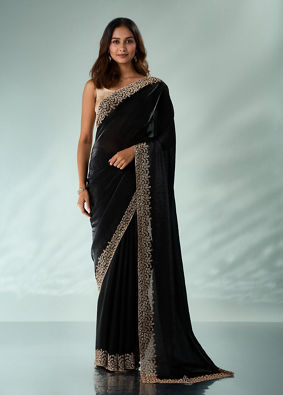
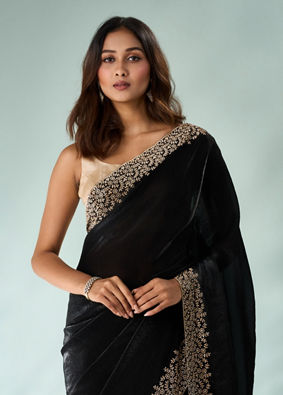
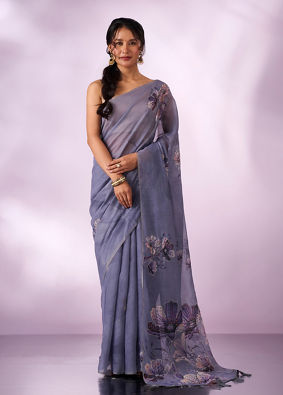
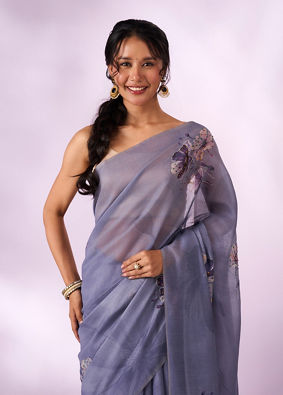
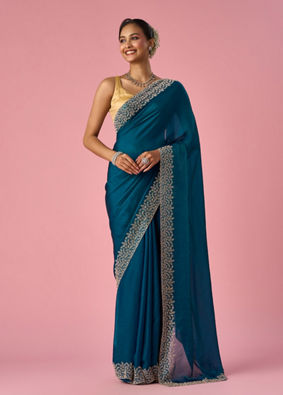
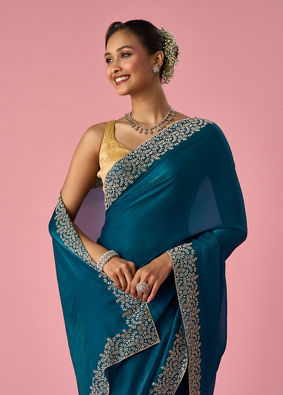
A black saree in organza or net feels confident for cocktails. A wine saree sits between festive and evening, which makes it easy to wear again. purple sarees and teal blue saree look rich without the usual bridal palette, and a blue silk saree photographs beautifully at evening functions.
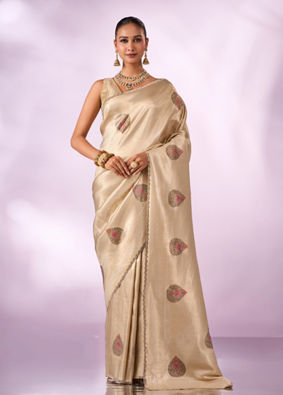
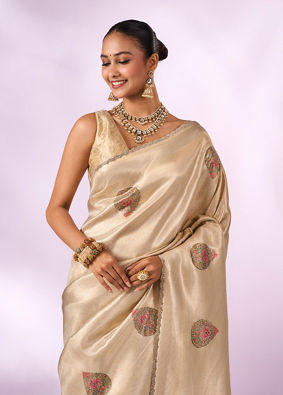
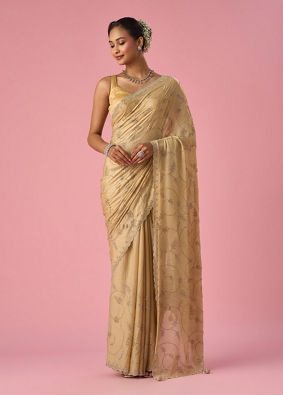
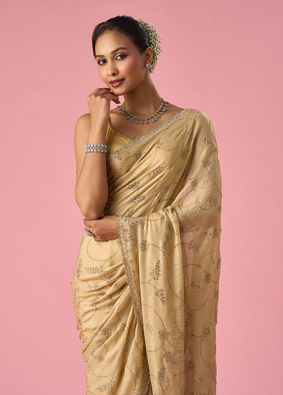
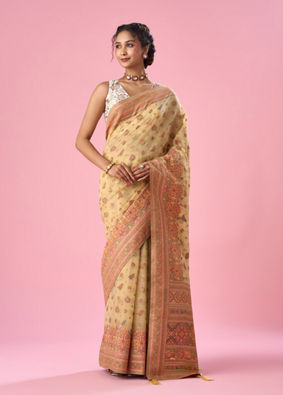
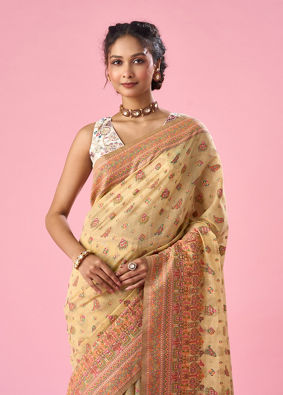
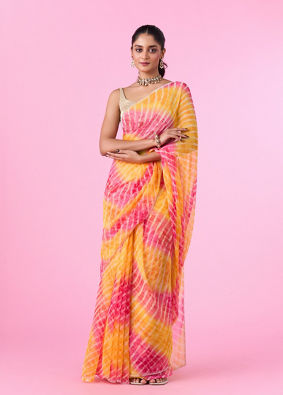
If you want one saree to work across many events, cream sarees and golden saree are the easiest to restyle. Pair them with different blouses and jewelry, and they look new every time. For everyone else, there's always the full pink saree and red saree range.
What's Trending This Season
The biggest shift in how women wear sarees right now is toward lighter fabrics with more detail. Sheer organzas with delicate handwork are replacing heavy, stiff drapes, especially for day functions and pre-wedding events.
The blouse matters more than ever. Corset-style, halter, and sleek full-sleeve blouses are turning a classic saree for women into something that feels fresh for a sangeet or reception. Soft pastels like pista, powder pink, and cream are also everywhere, often with tonal embroidery instead of contrast work.
And re-wearing is being celebrated. Many brides now plan to re-wear one Banarasi or silk saree for family weddings and festivals, styling it differently each time.
Finishing the Look
The same saree can look completely different depending on what you wear with it.
Blouse: This is where you can show your personality. A sweetheart or deep-back blouse gives an organza saree a modern edge, while elbow sleeves and a high neck make a silk saree look elegant. A contrast blouse can lift a simple drape. Browse saree blouse to mix and match.
Jewelry: Kundan and polki suit silk and Banarasi weaves. Pearls and diamond-finish pieces go well with organza and pastels. With heavy embroidery, one statement piece is usually enough.
Drape and footwear: A classic Nivi drape works almost everywhere, while a sleek, narrow pallu feels more contemporary at cocktails. Block heels or embellished juttis keep you comfortable on long wedding days.
Why Women Choose Mohey
Mohey sarees are made in India, with a mix of handwork, woven classics, and embellished styles in one place. Prices start at ₹1,199 and go up to occasion-ready statement pieces.
Frequently Asked Questions
1. What's the difference between art silk and silk sarees?
Silk has a natural sheen and a fuller, heavier drape. Art silk offers a similar shine with less weight, so it's easier to manage for long functions and often kinder to your budget.
2. Which saree for women is easiest for a first-timer?
Georgette and chiffon are the most forgiving. They pleat easily, stay in place, and don't feel stiff, which helps if you're still getting used to managing a pallu.
3. Can I wear an organza saree to a winter wedding?
Yes. Organza works well for evening functions in winter if you pair it with a structured full-sleeve blouse or a light shawl. Heavier embellishment also adds warmth.
4. How can I restyle a heavy wedding saree?
Wear it with a simpler or contrast blouse, lighter jewelry, and a sleek drape. A heavy silk or Banarasi saree can easily go from your own wedding to a cousin's reception or a Diwali party.
5. Which saree for women suits the mother of the bride?
Rich silks, Banarasi weaves and hand-embroidered organzas in deep pinks, wine, gold or cream feel graceful and photograph well. Choose a weight she can comfortably wear through the whole ceremony.
6. How should I care for zari and hand-embroidered sarees?
Dry clean only, store each saree folded in a muslin or cotton cloth, and refold it every few months so the zari doesn't crease. Avoid spraying perfume directly on the embroidery.



 Filter











































_09-05-2025-18-12:Swatch)
_09-05-2025-18-39:Swatch)
_09-05-2025-18-48:Swatch)




_09-05-2025-11-33:Swatch)
_09-05-2025-13-56:Swatch)
_09-05-2025-16-04:Swatch)


_11-05-2025-18-17:Swatch)
_11-05-2025-12-26:Swatch)


_11-05-2025-14-45:Swatch)
_11-05-2025-13-29:Swatch)




_11-05-2025-12-03:Swatch)
_11-05-2025-11-58:Swatch)
_11-05-2025-14-24:Swatch)


_09-05-2025-14-45:Swatch)
_09-05-2025-16-09:Swatch)
_09-05-2025-14-26:Swatch)