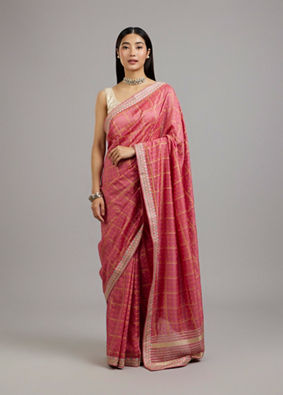
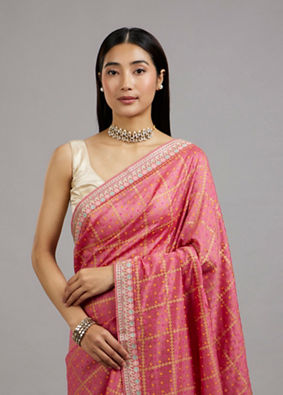
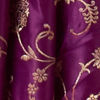
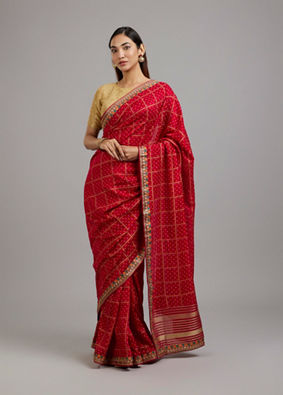
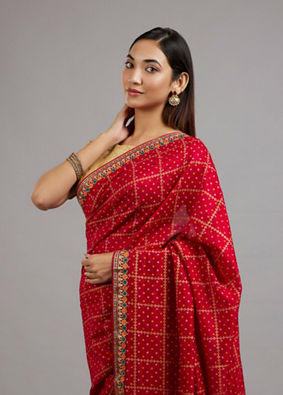
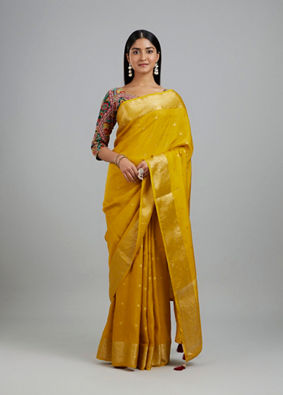
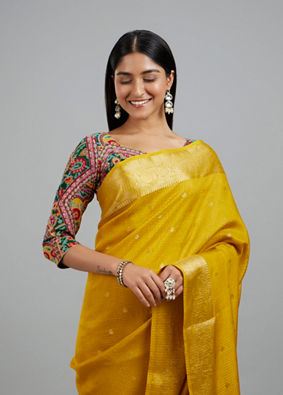
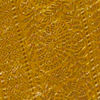
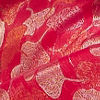
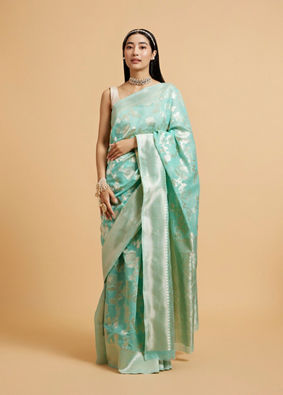
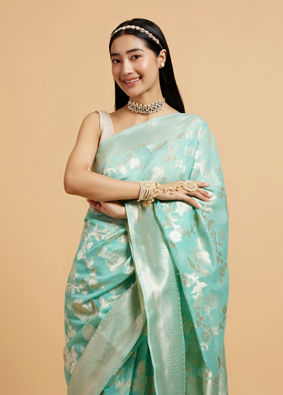
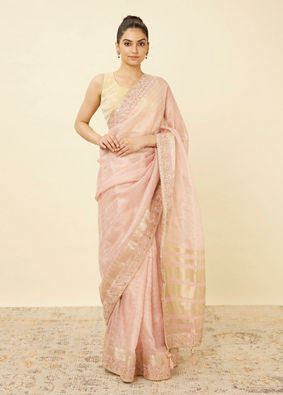
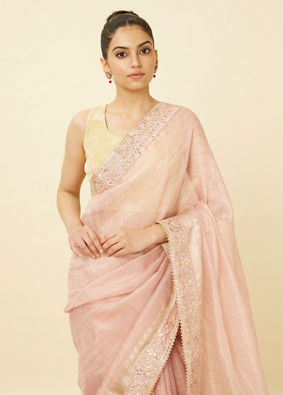
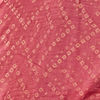
This page is designed as your one‑stop Janmashtami edit—whether you prefer the grace of a sarees, the twirl of a lehenga, the modern ease of an Indo‑western dress, or the comfort of a suit. You’ll find rani pinks, blues, greens and other festive shades, with details like lotus motifs, mirror work, sequins and organza textures that feel special for the occasion.
Outfits by Janmashtami moments
Janmashtami often stretches from morning bhajans to evening dahi handi festivities and night gatherings—each part of the day calls for a slightly different outfit mood.
Morning bhajans and home puja
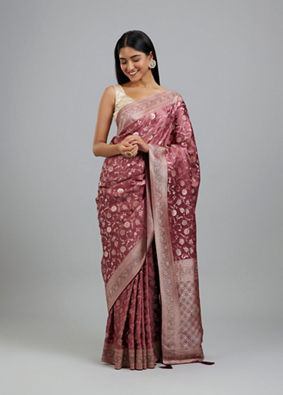
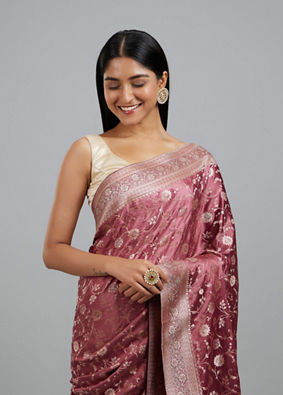
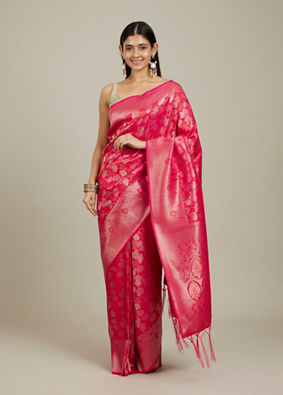
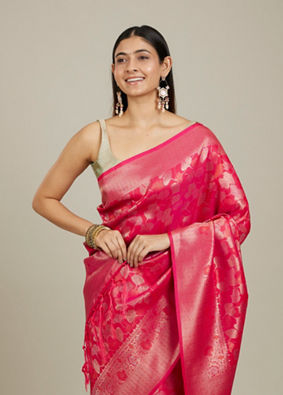
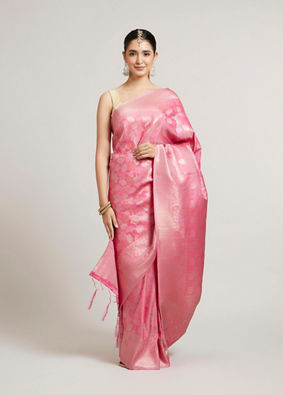
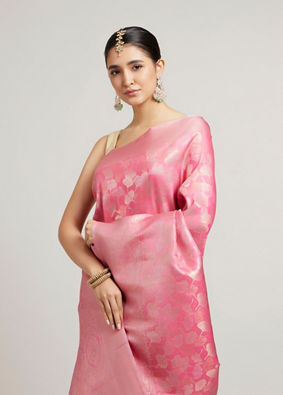
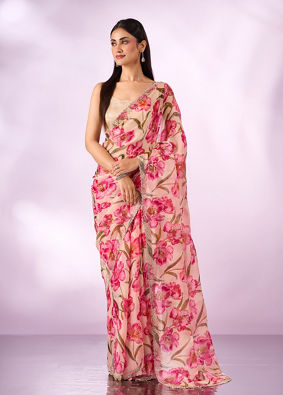
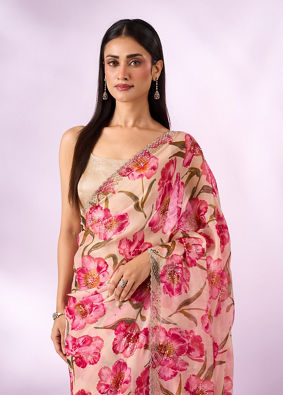
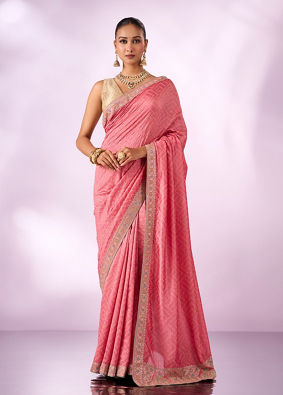
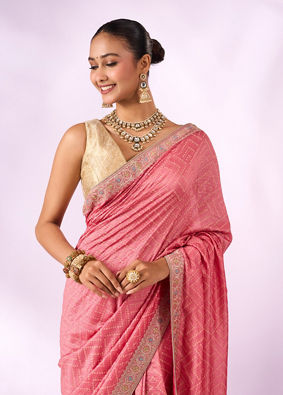
For morning aartis, bhajans and home Krishna puja, most women lean towards sarees or easy suits that feel respectful, traditional and comfortable for sitting, standing and offering prasad. A Rani Pink Lotus Leaf Patterned Saree works beautifully here—the vibrant color feels festive, while the lotus motif and soft drape keep the look graceful and rooted in tradition for your home shrine and family rituals.
Pandal visits and daytime celebrations
Pandal visits mean crowds, heat and lots of walking, so comfort becomes as important as looking festive. Lightweight sarees in soft fabrics, flowy lehengas and easy Indo‑western dresses are ideal—you want to be able to navigate queues, carry offerings and greet friends without constantly adjusting your outfit. A Pink Chinon Lehenga with Mirror Work or a breezy saree in a cheerful shade gives you that festive Janmashtami feel while staying light enough for long daytime events.
Evening aartis and dahi handi festivities
As the day moves into evening aartis, dahi handi celebrations, and larger family gatherings, your outfit can carry a touch more shine and structure. Lehengas with mirror work, Indo‑western dresses with sequin and mirror‑embellished details, and sarees with subtle stone or zari work catch the light of diyas and lamps beautifully, adding a quiet drama to your look. The Forest Moss Indo‑Western with Sequin and Mirror Embellished Cape Blouse is a great example—modern, festive and perfect for standing out in evening photos without feeling too heavy.
Night gatherings and family dinners
For night gatherings, community events and family dinners, you can lean into richer colors and slightly more structured silhouettes—deeper blues, emerald greens, wine tones and statement lehengas or sarees that feel like the highlight of your Janmashtami wardrobe. A Radiant Blue Elegance Lehenga brings that celebratory, festive energy with its rich color and structured skirt, making it ideal for bigger functions where you want your outfit to feel special and photogenic.
Colors for Janmashtami
Color is one of the easiest ways to tap into the Janmashtami spirit—each shade carries its own mood and works better for certain moments of the celebration.
Rani pink and bright pinks
Rani pink and other bright pinks are made for celebrations—they instantly signal “festival” and work especially well for bhajans, pandal visits, and evening gatherings where you want your look to feel joyful and energetic. The Rani Pink Lotus Leaf Patterned Saree is a perfect example: the color is bold and festive, while the lotus pattern adds a traditional touch that suits Krishna‑themed events.
Blues and radiant blue tones
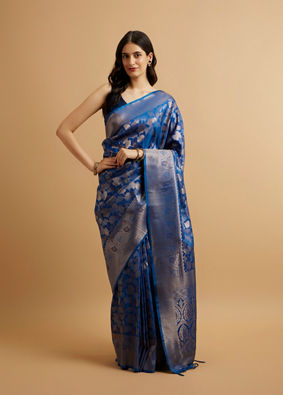
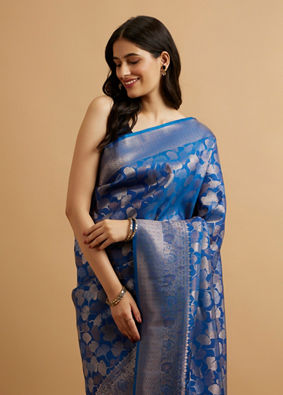
Blues—from soft sky to deeper, radiant shades—connect directly to Krishna’s story and are a natural fit for Janmashtami. A Radiant Blue Elegance Lehenga or a blue‑toned saree can feel both meaningful and stylish, especially for evening aartis and bigger family functions where you want your outfit to stand out in photos.
Greens and forest tones
Green—especially deeper forest greens and mossy shades—adds fresh, earthy energy to your Janmashtami look and pairs beautifully with gold jewelry and traditional accessories. The Forest Moss Indo‑Western shows how well green works for festive dressing: rich, slightly different from the usual reds and pinks, and very photogenic under evening lights.
Soft pinks and pastels
Soft pinks, blush tones and light pastels offer a more contemporary take on festive dressing while still feeling special for Janmashtami. They work well for daytime pujas, pandal visits and community events where you want elegance without too much heaviness, and can be dressed up or down with jewelry and footwear. The Pink Chinon Lehenga with Mirror Work sits in this lane—light, feminine and easy to style for long daytime events.
Fabrics and silhouettes that suit the festival
Janmashtami often means long hours, warm weather and lots of movement, so fabric and silhouette choices directly impact how comfortable you feel through the day.
Sarees for traditional grace
For those who prefer sarees, lightweight to mid‑weight options in soft fabrics are ideal for Janmashtami—easy to drape, comfortable for sitting and standing through bhajans, and elegant in photos. The festive sarees offer traditional grace with modern comfort, making them strong picks for home puja, pandal visits, and evening gatherings.
Lehengas for festive twirl
Lehengas bring instant celebration energy—perfect for evening aartis, dahi handi events and bigger family functions where you want your outfit to feel like a statement. Chinon and other flowy fabrics with mirror work or light embroidery, offer movement and comfort, while richer lehengas in deeper colors, add more structure and drama for night events.
Indo‑western dresses for modern festive looks
Indo‑western dresses are a great option when you want ethnic flair with a contemporary twist—especially for younger shoppers or those who prefer pre‑stitched silhouettes. Details like sequin and mirror‑embellished cape blouses, make these dresses feel festive and special for evening functions while staying easy to wear through long celebrations.
Suits and easy separates for comfort
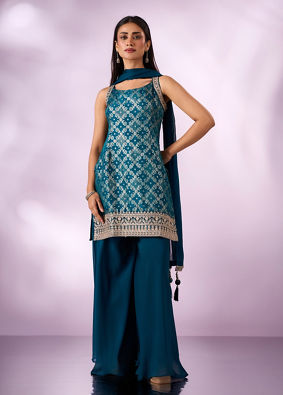
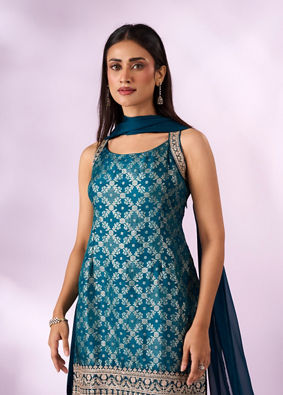
For those who prioritize comfort—especially for daytime pujas and crowded pandals—suits and easy separates in breathable fabrics are a smart choice. They let you enjoy the festivities without worrying about draping or heavy skirts, and can be styled with traditional jewelry to feel just as festive as a saree or lehenga.
Styling your Janmashtami look
Styling is where your saree, lehenga, Indo‑western or suit becomes a complete Janmashtami look—comfortable for rituals, photogenic for pandals, and elegant enough for evening gatherings.
Jewellery and accessories
For daytime pujas and pandal visits, medium‑weight jewelry—jhumkas, chandbalis, layered necklaces or a statement nath—adds festivity without feeling too heavy. For evening aartis and larger gatherings, you can go slightly more traditional with kundan, polki or gold‑toned sets that complement richer sarees, lehengas and Indo‑western dresses. A small potli or clutch keeps essentials handy while you move between home, pandals and dinner venues.
Footwear and comfort
Since Janmashtami often involves standing, walking and navigating crowds, choose footwear that balances style and comfort—embellished flats, kolhapuris, juttis or low block heels are ideal. Avoid very high stilettos for pandal visits; save them for seated dinners or smaller gatherings where you’ll be mostly indoors.
Dupatta, drape and layering
If your outfit comes with a dupatta—whether saree, lehenga or suit—a well‑pinned, manageable drape can make movement easier during rituals while adding an extra festive layer for photos. For heavier lehengas or Indo‑western dresses with cape blouses, you can often skip the dupatta for daytime events and let the silhouette and color do the talking, then add a matching or contrasting dupatta for evening functions to elevate the look.
Planning your Janmashtami wardrobe
Most families celebrate over multiple parts of the day—morning bhajans, afternoon pandal visits, evening aartis and night gatherings—so planning two or three key looks can make the entire festival feel cohesive without repeating the same outfit.
-
Morning puja/bhajans – A traditional, graceful look in rani pink, blue or green, often a saree or easy suit that feels special for your home shrine
-
Pandal visits and daytime events – A lighter, more comfortable outfit in breathable fabric and bright or pastel shades, like a flowy saree or a lehenga that is easy to wear through heat and crowds.
-
Evening aarti/dahi handi / big family gathering – A richer outfit in deeper tones with subtle embellishment—styled with heavier jewelry for a standout festive look.
Thinking of your festival as a mini‑wardrobe rather than a single outfit helps you choose pieces you’ll actually re‑wear across years of Janmashtami celebrations.
FAQs
1. What should I wear for Janmashtami home puja and bhajans?
For morning aartis, bhajans and home Krishna puja, traditional sarees or easy suits in festive colors like rani pink, blue or green work beautifully. Choose breathable fabrics and comfortable silhouettes, so you stay at ease through rituals and prasad distribution—like the Rani Pink Lotus Leaf Patterned Saree
2. Which outfits are best for pandal visits?
For pandal visits and daytime celebrations, lightweight sarees, flowy lehengas, and easy Indo‑western or suit sets in breathable fabrics are ideal. Bright, festive colors and manageable dupattas make it easier to move through crowds while still looking celebratory in photos. The Pink Chinon Lehenga with Mirror Work is a great example of this comfort‑first, festive look.
3. Can I wear Indo‑western dresses for Janmashtami?
Yes. Indo‑western dresses are a popular choice for Janmashtami, especially for younger shoppers or those who prefer pre‑stitched silhouettes with a modern twist. Details like sequin and mirror‑embellished cape blouses make these dresses feel festive and special for evening functions while staying easy to wear through long celebrations.
4. What jewelry works best for this festival?
For daytime pujas and pandal visits, medium‑weight jewelry like jhumkas, chandbalis and layered necklaces adds festivity without feeling too heavy. For evening aartis and larger gatherings, you can opt for kundan, polki or gold‑toned sets that complement richer sarees, lehengas and Indo‑western dresses.
5. How many outfits should I plan for Janmashtami?
Many families plan two or three key looks: one traditional outfit for morning puja/bhajans, one lighter look for pandal visits and daytime events, and one richer outfit for evening aarti, dahi handi or big family gatherings. This way, each part of the festival feels special without repeating the same look every time.

 Filter