Why It Works
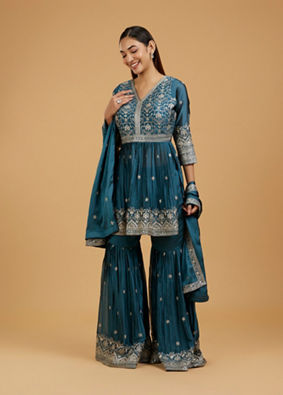
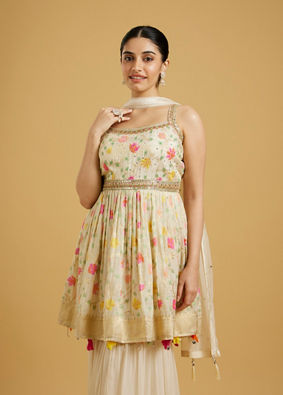
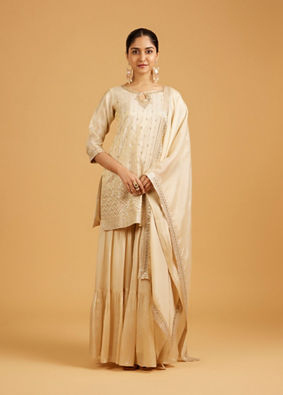
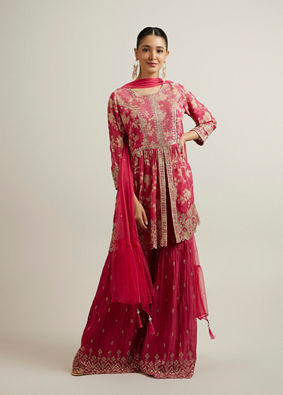
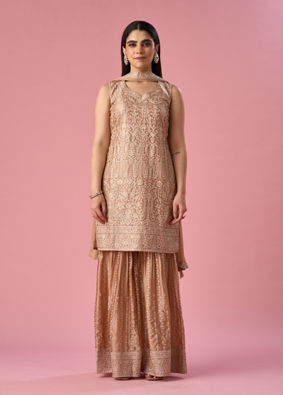
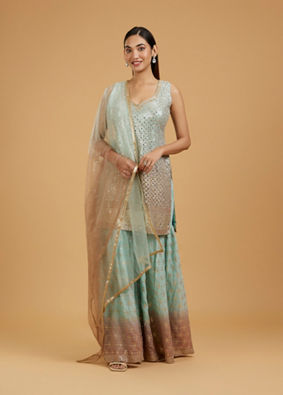
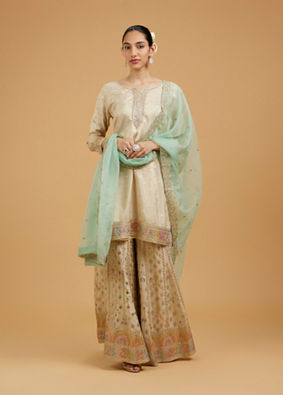
The reason the sharara suit remains so popular is simple: it allows for movement. The flared bottom creates a beautiful flow as you walk, sit, or turn, making the whole outfit feel more relaxed than a fitted set while still looking polished.
That matters in real life, because most celebrations are not just about standing for photos. You are greeting relatives, moving between rooms, stepping into the courtyard, or dancing for a few songs at the sangeet. The suit handles all of that without making you feel constrained, and that is a big part of its charm.
Colors That Lift
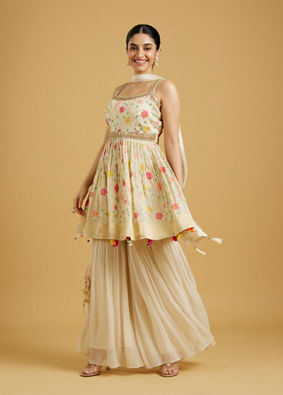
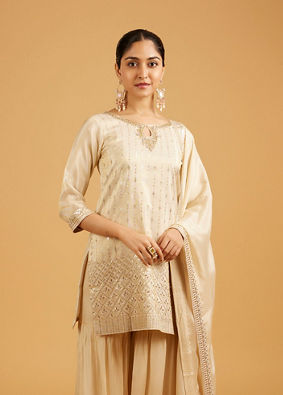
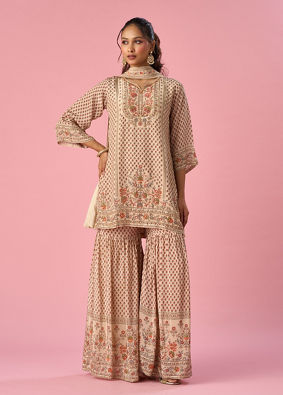
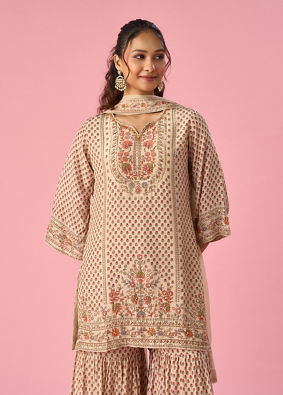
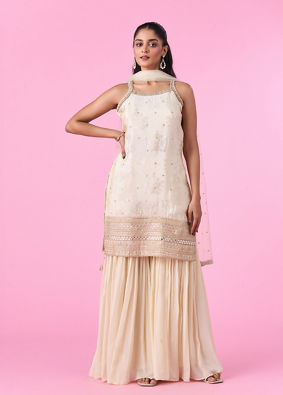
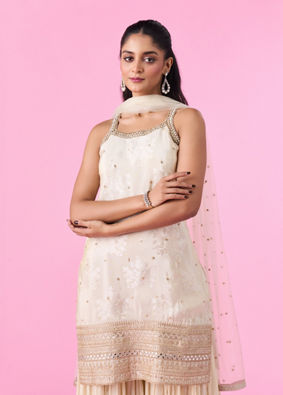
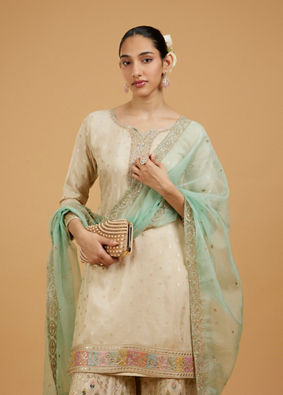
Color changes the mood of a sharara suit very quickly. Cream, ivory, and soft beige feel graceful and understated, especially when the embroidery or mirror work is doing the visual heavy lifting. Bright pinks, orange tones, and rich greens push the outfit into a more festive, high-energy space that works beautifully for daytime functions and cheerful family gatherings.
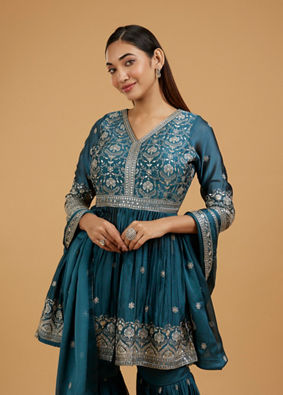
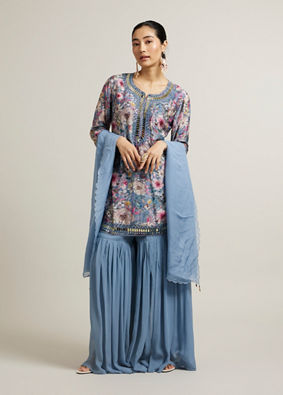
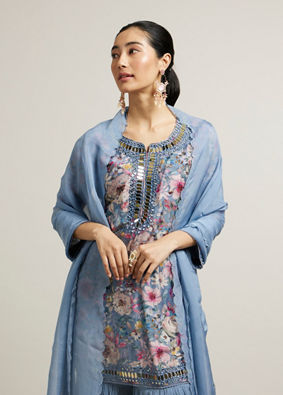
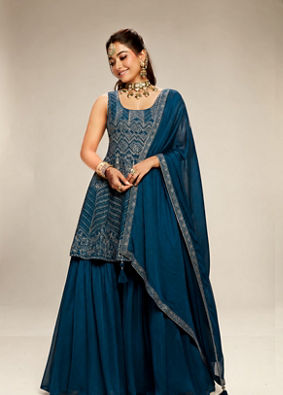
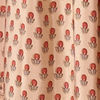
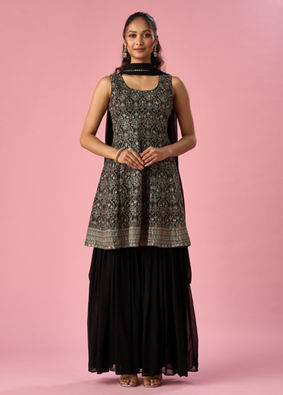
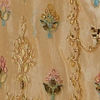
If you want something that leans slightly regal, deeper shades like emerald or purple can make the suit feel more evening-ready. On the other hand, botanical prints or softer florals keep the look young and fresh, which is great for women who don’t want their occasion wear to feel too ornate or too formal.
Fabrics And Fall
Fabric matters a lot in a sharara suit because the shape depends on how well the outfit falls. Chinon, georgette, art silk, and other fluid fabrics work especially well because they keep the flare moving nicely without making the set feel stiff. A lighter fabric also helps the dupatta sit better and makes the kurta easier to wear for longer hours.
Mohey’s sharara suit styles are designed with wearability in mind, so the stitching, finishing, and overall drape support the silhouette rather than fighting it. That is especially useful for festive dressing, where you want your outfit to look thoughtful without needing constant fixing.
Styling The Kurta
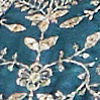
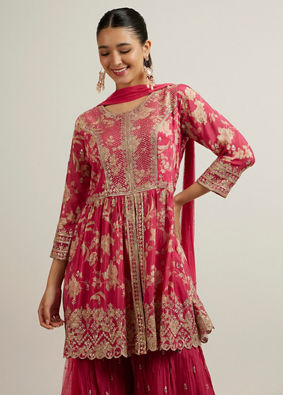
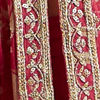
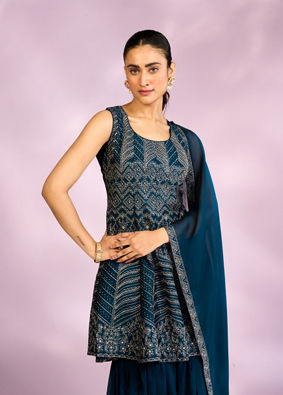
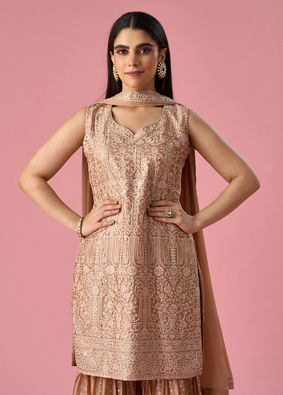
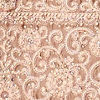
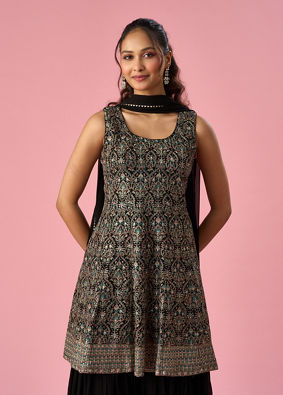
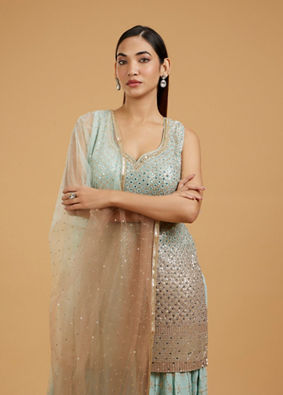
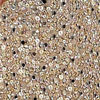
The kurta is where you can decide how modern or traditional you want the overall look to feel. A shorter kurta keeps the suit youthful and energetic, while a longer straight kurta can make the set feel more composed and elegant. Embellishment also changes the mood: mirror work feels lively, floral embroidery feels softer, and stone or sequin work adds that evening sparkle people often want for wedding functions.
If your suit already has a bold print or strong color, a cleaner kurta shape often works best. If the fabric is more subdued, you can let the neckline, sleeve detail, or surface work carry a little more of the personality. That balance keeps the outfit feeling intentional rather than busy.
Dupatta Details Matter
The dupatta can completely change the look's tone. A light, sheer dupatta feels easy and modern, especially for women who prefer comfort over heavy layering. A richer dupatta with border work or scattered embellishment can make the suit feel more occasion-led, which is useful for receptions, festive evenings, or family events where you want a slightly dressier finish.
How you drape it matters too. Worn neatly over one shoulder, the outfit feels cleaner and more contemporary. Draped more fully across the front, it becomes a little more formal and traditional in attitude. This flexibility is one of the reasons the suit works across so many different types of celebrations.
Fit That Feels Right
A sharara suit should feel secure at the waist, comfortable through the legs, and balanced at the shoulders. If the kurta sits awkwardly or the bottoms fall too low or too high, the silhouette loses the easy confidence that makes it so appealing. That is why fit and length matter so much here, especially if you plan to wear the outfit through a long function.
Mohey’s attention to stitching and garment finishing helps the outfit sit in a way that feels polished rather than fussy. When the proportions are right, the sharara suit gives you a flattering shape that looks put together from every angle, including in photos.
Footwear And Add-Ons
Because the suit already has movement, footwear should complement the look rather than compete with it. Juttis, embellished flats, and low block heels are all good options because they keep the outfit comfortable while preserving the silhouette's airy feel. If the suit is very ornate, a simpler shoe often works better; if the outfit is more minimal, you can bring in slightly dressier footwear.
Jewelry can go either way depending on the mood you want. Mirror-work suits usually pair well with bold earrings or stacked bangles, while printed or floral styles can carry smaller studs, chandbalis, or a delicate necklace. A soft bun, loose braid, or open hair with a little volume can finish the look without making it feel too styled.
When To Wear It
The sharara suit is one of the most versatile festive pieces in a woman’s wardrobe. It works for mehendi functions, Diwali dinners, Karwa Chauth gatherings, Raksha Bandhan lunches, engagement parties, and even intimate wedding events where you want to look celebratory without wearing a lehenga. For many women, it is the outfit they reach for when they want something easier than a sari and lighter than a full lehenga.
It also makes sense for younger bridesmaids, the bride's sisters, and guests who want a festive look with a little more freedom in the lower half of the outfit. That practical edge is part of what keeps the suit feeling relevant season after season.
Style It Again
One of the biggest advantages of a sharara suit is how easily it can be restyled. The kurta can be worn with straight pants or, in some cases, a lehenga skirt, while the sharara bottom can be paired with a simpler top for a fusion look. Even the dupatta can be reused across other outfits if the color and finish are versatile enough.
That makes the suit feel like a smarter purchase, especially for women who prefer pieces that work for more than a single occasion. With Mohey’s mix of festive colors, wearable silhouettes, and subtle detailing, the outfit stays useful long after the original event is over.
Care And Storage
A suit usually has enough flow and embellishment to warrant a little extra care. Air it out after wearing, especially if you’ve worn it for a long day or an evening function, so moisture and odor do not get trapped in the fabric. If the suit has mirror work, embroidery, or delicate trims, store it in a cloth bag or wrap it in muslin to protect the surface.
When pressing or steaming, keep the heat gentle and avoid direct contact with decorative sections. Small habits like these keep the outfit looking fresh for the next celebration and help maintain the crispness of the flare and drape.
Frequently Asked Questions (FAQs)
1. Is a sharara suit comfortable for long celebrations?
Yes, the flared bottom adds movement and ease, making it a very comfortable option for functions that last several hours.
2. Which colors are most popular for sharara suits?
Cream, beige, pink, orange, green, and deeper jewel tones all work well, depending on whether you want a softer or more festive look.
3. What kind of jewelry suits a sharara set?
Mirror-work and embroidered sets pair well with earrings and bangles, while printed or floral styles can work beautifully with lighter jewelry.
4. Can I wear a sharara suit for wedding functions?
Absolutely. It works well for mehendi, sangeet, receptions, and other wedding events where you want to look festive but not overly heavy.
5. How should I choose the right footwear?
Juttis, flats, and low block heels are the safest and most stylish options because they keep the outfit comfortable and balanced.
6. Can I restyle the pieces later?
Yes, the kurta, sharara bottom, and dupatta can often be mixed with other wardrobe pieces, which gives the set more long-term value.

 Filter