What is juti for men
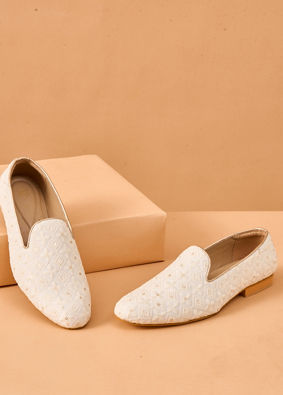
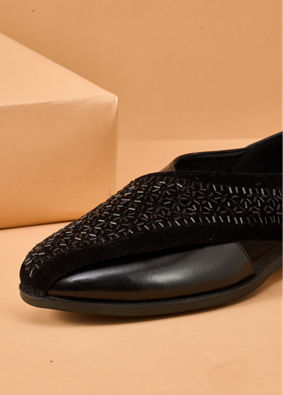
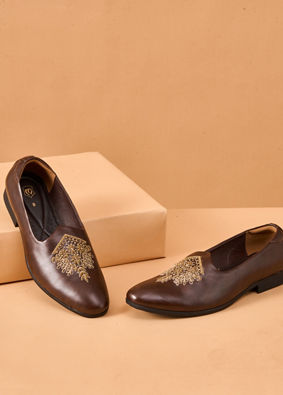
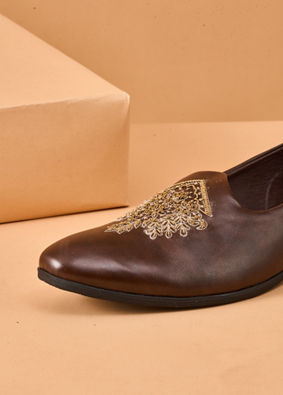
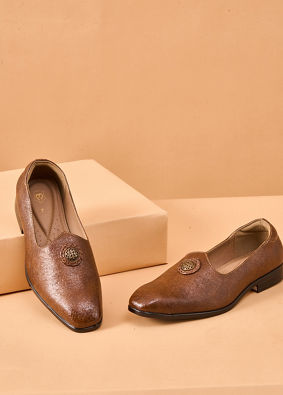
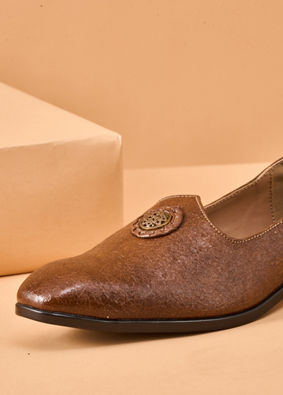
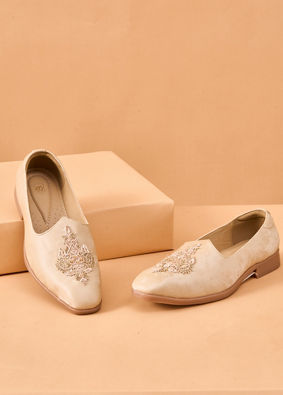
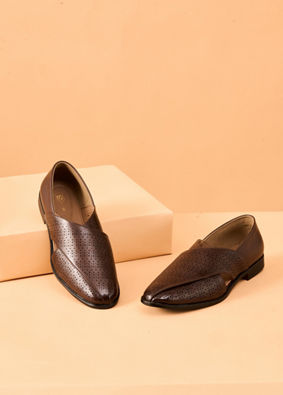
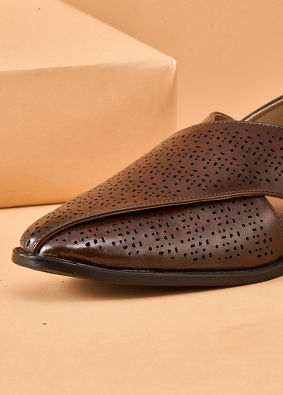
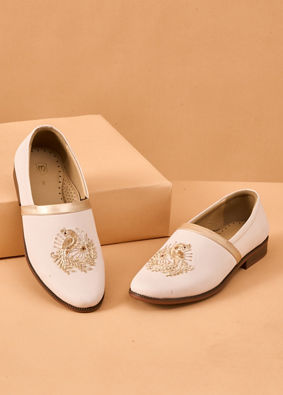
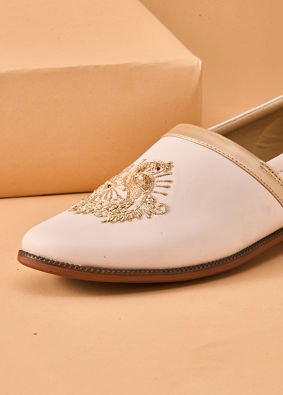
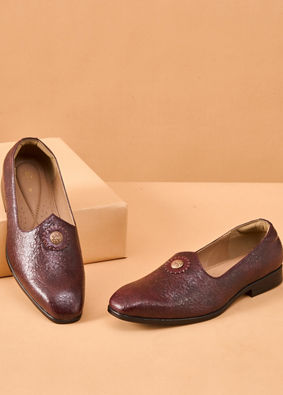
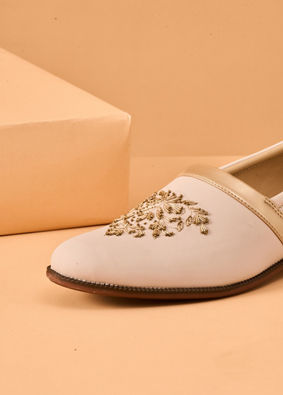
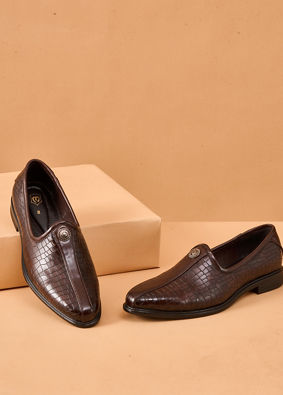
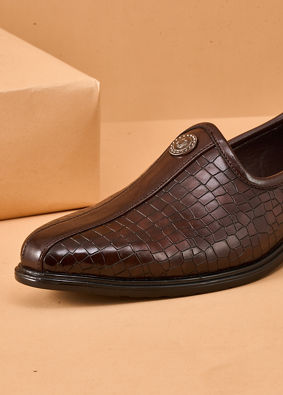
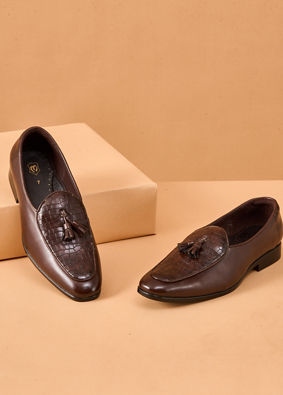
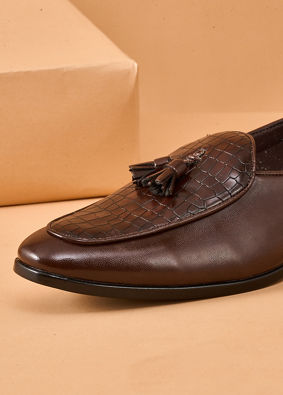
Juti is a slip-on, closed-toe festive shoe with a slightly curved or straight front, usually crafted in fabric or faux leather with embroidery, texture, or subtle sheen. It sits close to the foot like a moccasin but visually belongs with kurtas, sherwanis, and waistcoats rather than jeans and tees. Manyavar’s juti collection includes pointed and rounded styles, so you can pick what works best with your outfit and personal comfort.
These shoes are meant to be noticed when you sit, walk, or step onto a stage, but they don’t shout for attention the way chunky sneakers or heavily embellished footwear might. That balance makes a juti a smart investment if you attend frequent weddings, poojas, or festive office events across the year.
Why everyone is reaching for a juti
Celebrations have become more photo-led and all-day, which is exactly where juti earns its place. You want footwear that looks polished in close-up shots, matches your kurta set or sherwani, and still allows you to walk, stand, and dance without thinking about your feet.
There is also a visible move towards coordinated dressing—partners, cousins, and friends turning up in synced colour stories. A juti helps you finish that story by matching or complementing details like buta patterns, jacquard textures, or zari tones in your outfit. Instead of wearing everyday loafers with a carefully chosen kurta set, shifting to a juti instantly makes the whole look feel more intentional.
Materials and comfort
Manyavar crafts juti for men using soft uppers, supportive insoles, and durable outsoles so you can wear them through an entire event without switching to backup footwear. You’ll find options with:
-
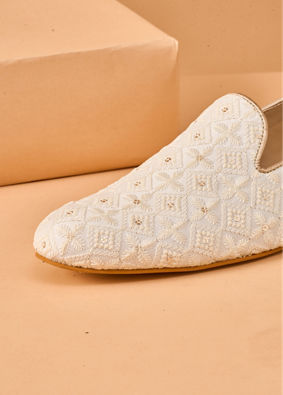
Fabric uppers featuring floral, buta, or textured patterns for a rich, textile-led look.
-
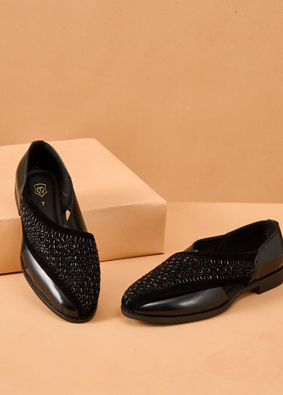
Faux leather or synthetic uppers for a clean, structured appearance and easy maintenance.
-
Lightly cushioned footbeds that support the arch during standing ceremonies and long photo sessions.
Most designs are slip-on, so getting ready is quick even when you’re running late for a baraat or venue call-time. The inner construction is made to reduce friction at the heel and sides, helping prevent blisters when you wear them for the first time at an important function.
Shapes, and profiles
The right juti should feel snug but not tight, with enough room at the toe box to move your toes slightly. Manyavar’s options typically follow standard footwear sizing, so you can choose your usual size and then fine-tune with thin or slightly thicker socks if needed. In terms of look, you’ll spot:
-
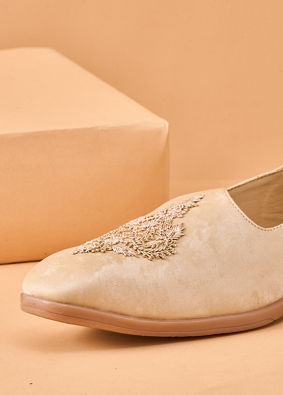
Pointed-front ones that work beautifully with sherwanis, achkans, and longer kurtas.
-
Slightly rounded or loafer-style profiles that pair well with shorter kurtas, bandhgalas, and Indo-western sets.
-
Back-closed designs that stay secure during dance performances or walking across larger venues.
If your feet are broader, choosing a rounder-front one can be more forgiving, while those with narrower feet often enjoy the sleek, pointed styles.
Colours, textures, and embellishments
Colour plays a big role in how a juti lands visually in your outfit. Manyavar offers footwear in versatile tones like off-white, cream, beige, gold, and soft metallics that match or complement a wide range of kurtas and sherwanis. Common design directions include:
-
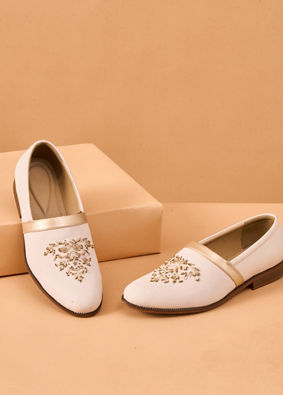
Buta-patterned or floral-textured uppers that echo motifs in your kurta or jacket.
-
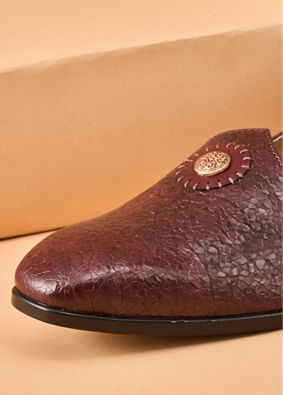
Self-textured ones with tone-on-tone patterns for those who prefer subtle detailing.
-
Light sequin work, zari touches, or jacquard weaves for a wedding-ready finish without feeling too heavy.
Neutral pairs are ideal if you want one juti that can move across multiple outfits, while coloured or contrast pairs can become a highlight when you keep your clothing more understated.
Functions its made for
A thoughtfully chosen juti moves effortlessly across different events in your calendar. A few scenarios where it fits right in:
-
Wedding functions: sangeet, cocktail, pheras, and reception, paired with sherwanis or kurta sets.
-
Pre-wedding rituals: haldi, mehndi, engagement, and roka functions, especially with lighter, pastel outfits.
-
Festivals and poojas: Diwali aarti, Navratri gatherings, home Satyanarayan pooja, or a simple temple visit followed by a family meal.
-
Office events: festive dress days, annual celebrations, or cultural evenings where a kurta and juti look appropriate yet not over-the-top.
-
Campus occasions: college ethnic day, fresher’s night, or farewell parties when you want one strong outfit that photographs well.
Since juti is closed and polished, it also works for indoor banquet venues and hotel lawns where sneakers or open sandals might feel too casual.
What to wear it with
How you pair a juti can completely change the mood of your look.
-
For classic kurta-pyjama sets: Choose an off-white or beige with mild texture or woven motifs. Match metallic hints (gold/silver) with your watch, buttons, or brooch so everything feels connected.
-
For sherwanis and bandhgalas: Opt for a rich-textured or embroidered that echoes at least one element from your outfit—colour, motif, or finish. If your sherwani is heavily worked, go slightly simpler on the shoe so the look doesn’t feel crowded.
-
For simpler daytime looks: Pair a subtle one with pastel or printed kurtas when heading to a day wedding, haldi, or festive brunch. Keep accessories minimal; let the clean line from kurta to trousers to shoe do the talking.
If you and your friends or cousins are planning coordinated outfits, picking similar or complementary styles is an easy way to make group photos look sharper without much extra effort.
Practical tips to choose juti
When you’re shortlisting a juti, think about both style and practicality.
-
Check your main outfits: neutrals like off-white or beige will match most wedding and festive looks.
-
Consider venue and duration: for long outdoor events, look for cushioned footbeds and secure fits so you can comfortably stand, walk, and dance.
-
Look at the toe shape: pointed styles are more formal; rounder shapes feel slightly more relaxed and forgiving for wider feet.
-
Think reuse: if you attend multiple functions a year, invest in one hero juti and one understated pair to cover both loud and minimal outfits.
With the right pair in your wardrobe, getting ready becomes smoother—you can focus on your kurta or sherwani knowing your juti will effortlessly complete the look.
Frequently Asked Questions (FAQs):
1. What outfits go best with juti?
It pairs best with kurtas, kurta-pyjama sets, sherwanis, bandhgalas, and Indo-western jackets for weddings, festivals, and cultural events. It can also work with well-tailored trousers and a long jacket for contemporary ceremony looks.
2. How should juti fit?
It should feel snug but not tight, with enough room to move your toes without pressure. If you’re between sizes, it’s safer to size up slightly and adjust with socks or insoles for long events.
3. Can I wear juti all day at a wedding?
Yes, Manyavar’s juti are designed with cushioned footbeds and supportive construction so they stay comfortable through long ceremonies and dance sessions. Choosing the right size and toe shape further improves all-day wearability.
4. How do I care for fabric juti for men?
For fabric-based juti, gently dust off surface dirt after each wear and store them in a dry, covered space. Spot-clean with a soft, slightly damp cloth when needed and avoid soaking or harsh scrubbing so the texture and embroidery stay intact.
5. Which colour juti is the most versatile for men?
Neutral shades like cream, beige, off-white, or soft gold in a simple textured juti tend to work with most festive outfits. If you wear darker outfits often, you can add a second pair in tan or muted metallic to balance those looks as well.

 Filter