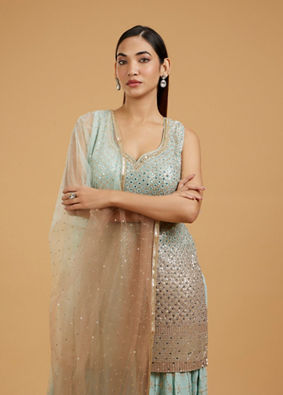
Baisakhi: bright, joyful celebration
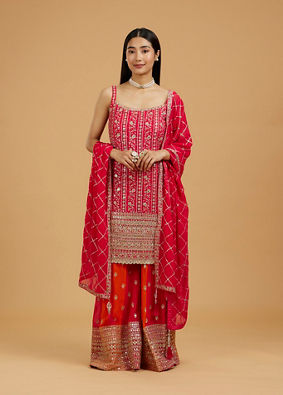
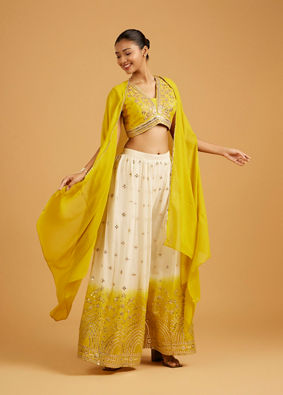
Baisakhi is pure high-spirited energy—dhol beats, laughter, shared meals, and colorful gatherings that often spill into open spaces. For a Baisakhi special dress, this collection leans into silhouettes that move easily: twirl-friendly lehengas, sharara sets, Anarkali-style kurtas, and straight-cut suits that let you join in the fun without worrying about heavy layers.
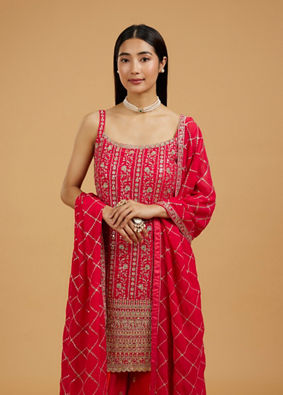
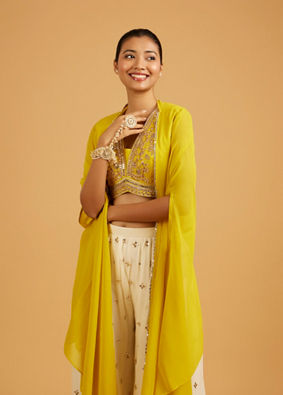
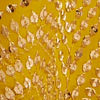
Bold colors work beautifully here. Think mustard inspired by fields, marigold tones, rich oranges, rani pinks, and festive reds that stand out against outdoor backdrops. Embroidery might feature florals, geometric borders, or light sequin highlights that catch the sun as you walk or dance, but the pieces are still designed to feel light on the body. A typical Baisakhi special dress look could be a printed sharara with a short kurti and dupatta, finished with juttis and statement jhumkas that won’t weigh you down.
If you prefer lehengas, go for flared skirts in flowy georgette or chiffon with a fitted blouse that stays put even when you’re moving around. This way, you get that festive “twirl” moment and still remain comfortable enough to help with hosting, serve food, or simply enjoy the day with your cousins and friends.
Vishu: serene, temple-ready elegance
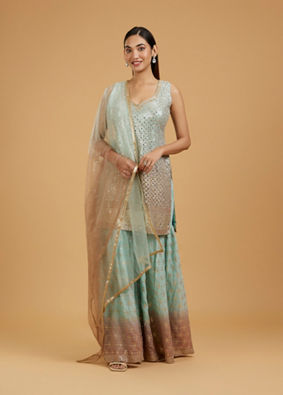
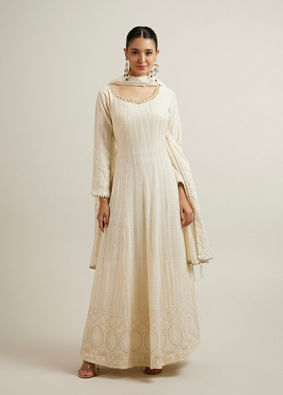
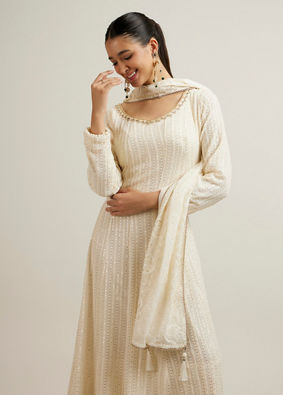
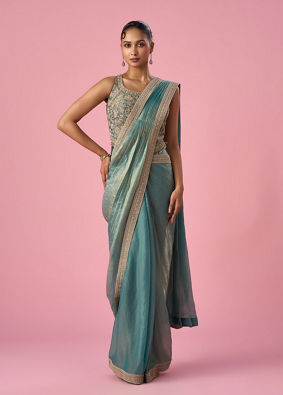
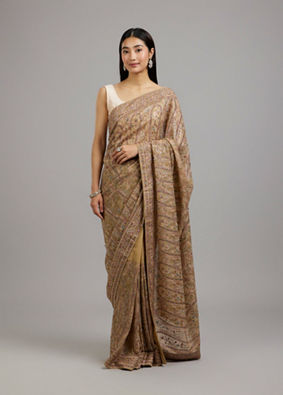
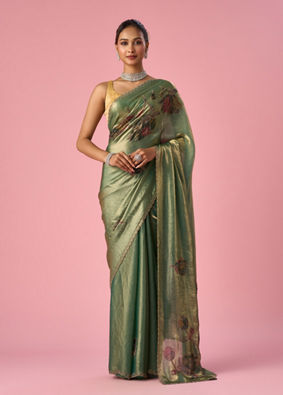
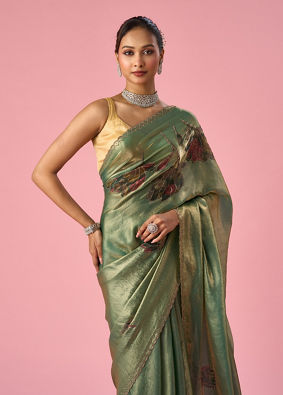
Vishu has a softer, more contemplative feel, centered around the Vishukkani, early-morning wake-ups, temple visits, and quiet time with family. For this, a Vishu special dress from Mohey’s curation leans heavily into sarees and elegant suit sets that feel calm, balanced, and auspicious. Palettes here usually revolve around ivory, cream, gold, soft yellow, and gentle greens that photograph beautifully in natural morning light.
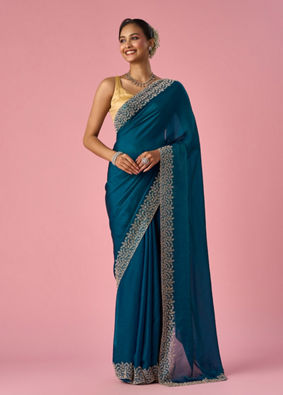
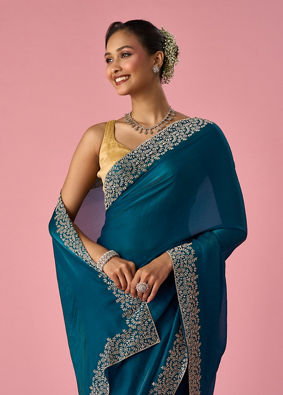
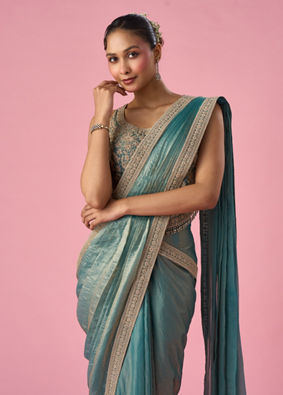
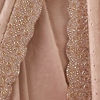
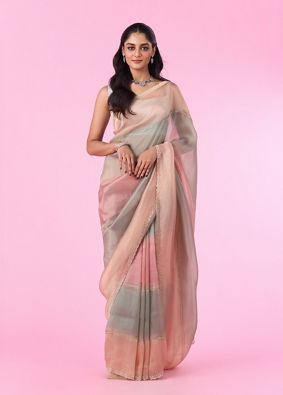
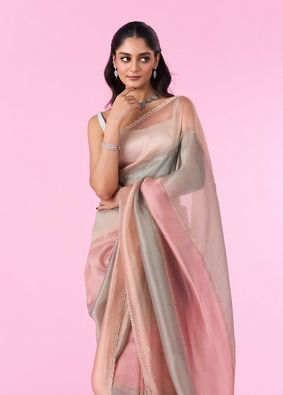
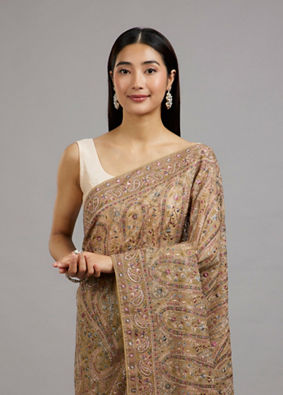
Sarees with golden borders, subtle motifs, or delicate texture give you that rooted, temple-appropriate look while still feeling modern in cut and styling. Pair them with a well-fitted blouse—perhaps with a contemporary neckline or back detail—to keep the overall look young and fresh. If draping isn’t your favorite part of getting ready, ready-to-wear styles from the Mohey saree universe can help you nail a Vishu special dress look in far less time, letting you focus more on rituals and less on pleats.
For those who prefer suits, straight-cut or A-line silhouettes in airy fabrics offer ease of movement around the house and temple while still matching the significance of the day. Add minimal gold jewelry, a small bindi if you like, and block heels or flats, and you have a Vishu-ready outfit that’s comfortable, graceful, and absolutely photograph-friendly for those mandatory family pictures.
Poila Boisakh: soft, artistic charm
Poila Boisakh carries its own distinct warmth—new ledgers, cultural events, music, food, and time spent in homes filled with books, art, and conversation. A Poila Boisakh special dress from this edit often leans into sarees, skirt sets, and co-ords that feel expressive but effortless, ideal for daytime plans and relaxed evening outings.
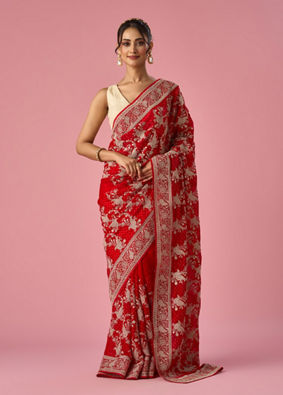
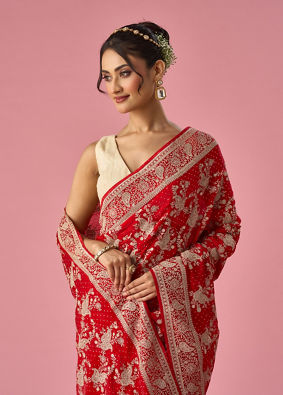
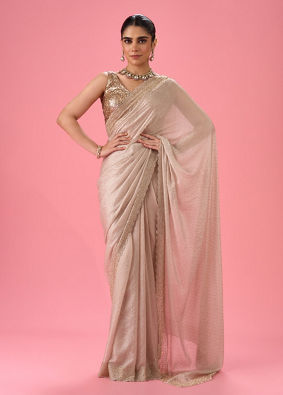
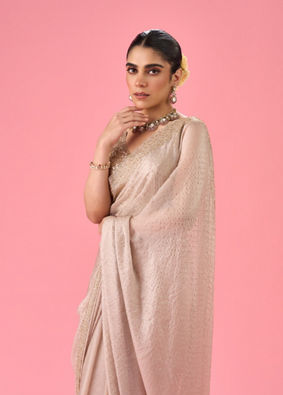
Classic inspiration usually means red-and-white or off-white sarees with borders that nod to traditional aesthetics, but Mohey’s take introduces lighter pastels, floral prints, and contemporary motifs too. You could choose a saree with a hand-drawn print, or a soft chiffon drape that falls lightly and feels comfortable as you move from puja to lunch to coffee with friends.
Styling is where Poila Boisakh really comes alive. Oxidized silver jewelry, stacked bangles, kohl-lined eyes, and a small bindi can transform a simple saree into a full Poila Boisakh special dress statement without feeling heavy or overdone. If sarees aren’t your go-to, a printed skirt-and-blouse set with a light dupatta or stole can create a similar mood—perfect for cultural programs or relaxed outings while still feeling rooted to the occasion.
Fabrics that feel good all day
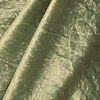
Across Baisakhi, Vishu & Poila Boisakh, the common thread is weather: warm days, plenty of movement, and long hours in the same outfit. That’s why this spring festive curation draws heavily on georgette, chiffon, organza, and silk blends that breathe, flow, and hold their shape without feeling stiff or clingy. These fabrics make sure your Baisakhi lehenga, Vishu saree, or Poila Boisakh drape stays comfortable from morning rituals to late-night conversations.
Mohey’s focus on quality craftsmanship means clean seams, thoughtful linings, and embellishments placed to flatter rather than add unnecessary bulk. Even when pieces have zari, sequins, or threadwork, they aim to keep the garment wearable—and re-wearable—rather than making it a one-time, high-maintenance outfit.
Color and print stories by festival
Each of these festivals has its own character, and the color and print stories in this collection echo that.
-
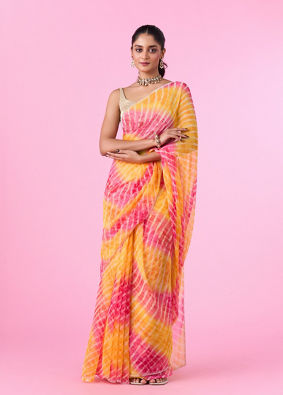
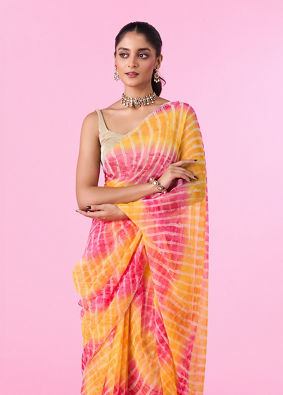
Baisakhi: bold yellows, oranges, pinks, and reds, with playful prints or borders that stand out outdoors and in group photos.
-
Vishu: ivory, cream, gold, and soft greens, with understated patterns or woven textures that feel calm and ceremonial.
-
Poila Boisakh: red-and-white classics, plus blush, peach, and floral motifs for a softer, more artistic mood.
This way, each special dress choice feels intentionally tied to the day you are celebrating, while still being versatile enough to rewear later in the year.
Styling ideas: jewelry, hair, and makeup
Once you’ve chosen your Baisakhi, Vishu & Poila Boisakh special dress, the next layer of fun is in styling. Jewelry, hair, and makeup can shift the same silhouette from simple to statement in minutes.
-
For Baisakhi: go for bold earrings, colorful bangles, and braids or ponytails that stay secure even if you’re dancing.
-
For Vishu: keep it minimal—a slim gold chain, small jhumkis, neat bun or soft waves, and light makeup that lets your saree or suit stay center stage.
-
For Poila Boisakh: try oxidized jewelry, a smudged kohl look, maybe a red or berry lip, and hair left open or loosely tied back.
A neutral base with a single strong element—either eyes or lips—works across all these festivals, keeping your look polished while still feeling like you.
Footwear and layering for long schedules
Festive days usually start early and end late, which is why footwear and light layering make a big difference. Juttis, kolhapuris, strappy flats, or low block heels are ideal companions to your Baisakhi special dress, Vishu saree, Poila Boisakh look, giving you stability without sacrificing style.
Light jackets, capes, or dupattas can help you adjust as the day changes—from sunlit courtyards to air-conditioned halls or cooler evenings on terraces. You can pin your dupatta or pallu neatly for rituals and then loosen it later for a more relaxed, off-duty look, all while staying comfortable and secure in your chosen special dress for the day.
Twinning and family dressing ideas
These festivals often mean entire families dressing up and capturing memories together. One way to make photos feel cohesive without everyone wearing the same thing is to pick a color story per festival.
For example, your Baisakhi special dress might be mustard while a sibling wears marigold and another relative picks a softer yellow suit—different outfits, same mood. For Vishu, you could all lean into ivory and gold, each choosing a different silhouette that suits your age and comfort. For Poila Boisakh, variations of red, white, and pastel prints across sarees, suits, and co-ords can look beautiful in group pictures while still letting individual personalities show.
This approach keeps everyone coordinated without feeling overly matched, and works perfectly with Mohey’s range of styles across sarees, lehengas, and suits.
Rewearing beyond spring festivals
A well-chosen festive outfit shouldn’t be limited to one date on the calendar. Sarees picked for Vishu can come back for Diwali, Navratri poojas, or office ethnic days when paired with different blouses or jewelry. A Baisakhi-ready lehenga or sharara can be restyled with a contrasting blouse, a shirt, or a fusion top for weddings, sangeets, and receptions.
Similarly, a Poila Boisakh dress—whether a saree, co-ord, or suit—can become your go-to for housewarmings, family celebrations, or even semi-formal evenings, simply by switching up your hair and accessories. With Mohey’s mass-premium pricing and wide variety of designs, you get pieces that feel special yet stay practical and repeatable across your social calendar.
FAQs
1. What should I wear for Baisakhi if I’ll be outdoors most of the day?
Opt for sharara suits, light lehengas, or straight-cut suits in bright shades like mustard, orange, or pink, paired with comfortable juttis and secure jewelry that won’t get in the way while walking or dancing.
2. Which outfits from this collection are best for Vishu temple visits?
Light sarees with golden borders or elegant suits in ivory, gold, and soft greens work beautifully for Vishu, giving you a calm, ceremonial look that’s easy to carry from morning rituals to family meals.
3. How can I style a Poila Boisakh look that feels festive but not too heavy?
Choose a red-and-white or pastel saree or co-ord set, add oxidized jewelry, a small bindi if you like, and flats or kolhapuris—this keeps your Poila Boisakh special dress comfortable while still looking artsy and celebratory.
4. Are the fabrics in this range comfortable for warm spring weather?
Yes, most pieces are crafted in georgette, chiffon, organza, or silk blends that drape lightly, allow air flow, and keep you comfortable through long days of rituals, visits, and gatherings.
5. Can these outfits be reworn for other festivals and weddings?
Absolutely. Outfits chosen for Baisakhi, Vishu, Poila Boisakh can be restyled with different blouses, tops, jewellery and drapes to work for Diwali, weddings, receptions, office events, and family functions.
6. How do I coordinate outfits with family without all wearing the same thing?
Pick a shared color story per festival—like yellows for Baisakhi, ivory-gold for Vishu, or red-white for Poila Boisakh—and let each person choose their preferred silhouette within that palette for a cohesive yet individual look

 Filter