
STORIES BY MANYAVAR & MOHEY

Janmashtami Outfit Ideas 2026: What to Wear for Temple, Home and Dahi Handi
Date 20 Aug 2026 Reading time: 7-10 mins


Janmashtami is one of those festivals where devotion meets celebration. Families fast, decorate the home mandir, sing bhajans, and dress in festive wear to mark Lord Krishna’s birth. The day often includes a temple visit, a home puja with friends and family, and sometimes a Dahi Handi event or community celebration.
Each of these moments calls for a slightly different kind of dressing. The outfit that works for a long temple queue may not be ideal for hosting guests at home, and the look you choose for Dahi Handi needs to prioritize comfort and movement. Manyavar Janmashtami dress for men and Mohey Janmashtami dress for women bring together festive options for men and women that can be styled across all these settings without feeling repetitive.
Temple visits: modest, respectful and festive
For many families, Janmashtami begins with a temple visit. The atmosphere is devotional, the crowds can be large, and the time spent standing or sitting on the floor may be long. The outfit should feel respectful, modest, and comfortable enough for several hours.
For women
Temple dressing for Janmashtami is traditionally modest and festive. Covered shoulders, lengths at or below the knee, and fabrics that are not sheer are ideal for entering the sanctum. A dupatta you can use to cover your head is also useful.
Good options include:
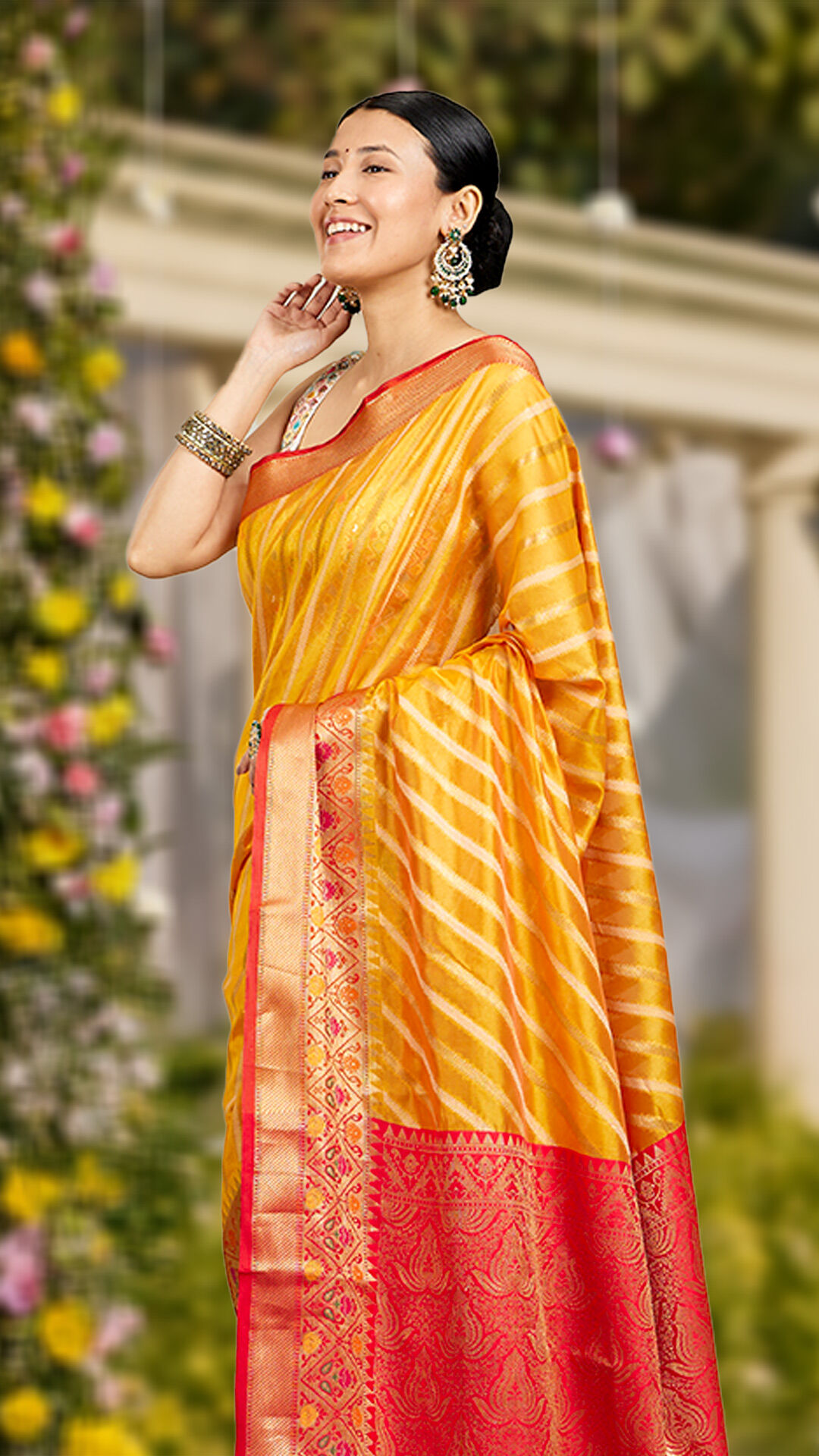
- A silk or silk-blend saree in peacock blue, yellow, green, or white. These colors are closely associated with Lord Krishna and feel especially appropriate for the occasion.
- An Anarkali suit with a full-length kurta and dupatta. This silhouette is comfortable for long hours and easy to manage during puja.
- A straight kurta set with a churidar or palazzo and a modest neckline. Cotton, chanderi, or mul blends work well for August weather.
- A lehenga in a lighter fabric if the temple event is more formal or part of a larger celebration.
Footwear should be easy to remove and comfortable for walking and standing. Flat or low-heeled sandals are more practical than stilettos for long temple visits. Keep jewelry minimal and secure, so it does not get in the way during darshan.
For men
For men, temple dressing can be traditional yet simple. Focus on clean, modest silhouettes that feel devotional without being overly ceremonial.
Good options include:
- A dhoti kurta in white, cream, yellow, or peacock blue. This is the most traditional Janmashtami look and especially appropriate if you are participating in the puja.
- A kurta pajama in cotton or a breathable blend. Light colors such as ivory, pastel blue, or soft yellow work well for daytime temple visits.
- A kurta with a Nehru jacket for a slightly more formal evening temple celebration. Choose lighter fabrics and minimal embroidery for comfort.
- A Panchakacham or veshti dhoti set for South Indian temple traditions.
Footwear should be easy to slip on and off. Keep accessories minimal: a watch, simple bracelet, or traditional angavastram if that aligns with your family’s customs.
Home celebrations: festive, comfortable and practical
Home-based Janmashtami celebrations tend to be less formal but still festive. The day may involve fasting, cooking, decorating the jhula (swing), setting up the mandir, hosting guests, and participating in bhajans and aarti. Outfits need to support movement while still feeling occasion-ready.
For women
For home celebrations, comfort becomes as important as appearance. You may be moving between the kitchen, mandir, and living area, so the outfit should allow easy movement and not feel too heavy.
Good options include:
- A silk kurta set in a festive color. This is practical for a full day at home while still looking celebratory.
- A printed cotton salwar suit that is comfortable for cooking, decorating, and hosting.
- A Chanderi or mul cotton saree as a lighter alternative to heavy silk. These fabrics drape well and are suitable for heat.
- A sharara suit for a more festive home gathering with friends and family.
Keep jewelry moderate: jhumkas, bangles, and a bindi can add a festive touch without making the look too heavy for a long day. If you are fasting, choose breathable fabrics and avoid overly tight silhouettes.
For men
For men at home, the outfit can be festive but relaxed. The day may involve decorating the mandir, helping with preparations, and hosting guests, so comfort is key.
Good options include:
- A cotton kurta pajama in a light color. This is comfortable for a long day of celebration and easy to style.
- A kurta with linen trousers for a slightly more contemporary look that still feels festive.
- A short kurta in cotton or a blend for a casual home celebration with friends and family.
- A kurta dhoti set if you want a more traditional look without going fully ceremonial.
Footwear can be simple: mojaris, sandals, or barefoot at home. Keep accessories minimal and choose fabrics that breathe well through the day.
Dahi Handi: comfortable, stretchable, and practical
Dahi Handi, celebrated the day after Janmashtami in many regions, marks Lord Krishna’s playful side and the tradition of stealing butter. The event often involves crowds, physical activity, and sometimes water or buttermilk. The outfit should prioritize comfort, movement, and practicality.
For women
For Dahi Handi, avoid heavy silks, long trailing dupattas, or outfits that are difficult to manage in a crowd. The goal is to participate comfortably without worrying about the outfit getting in the way.
Good options include:
- A cotton kurta set with fitted churidar or leggings. This allows movement and is easy to manage.
- A short kurta with palazzo for a relaxed, breathable look.
- A printed cotton suit that you do not mind getting slightly dirty if you are near the Dahi Handi pot.
- A pinned or shorter dupatta instead of a long, flowing one.
Footwear should be secure and comfortable: flats, sandals with grip, or simple ethnic shoes. Avoid stilettos or open footwear that may slip. Keep jewelry minimal and secure.
For men
For men, Dahi Handi calls for outfits that allow movement and do not feel restrictive. Traditional dressing can still work if the fabric and fit are practical.
Good options include:
- A cotton kurta pajama with a comfortable fit. Avoid overly long kurtas if you plan to be active.
- A short kurta with churidar for ease of movement.
- A cotton Indo-Western set that combines traditional styling with contemporary comfort.
- A layered Indo-Western look in breathable fabric if the event is more of a celebration than a physical activity.
Footwear should be secure and easy to move in. Avoid overly formal shoes if you expect crowds or activity.

Color guidance: Krishna-inspired palettes
Janmashtami dressing often draws from colors associated with Lord Krishna. These palettes can guide your outfit choice across temple, home, and Dahi Handi settings.
- Peacock blue: A deep, festive blue that reflects Krishna’s iconography. Works well for sarees, lehengas, kurtas, and dhoti kurtas.
- Yellow (Pitambar): Associated with Krishna’s traditional attire. Ideal for kurtas, kurta sets, sarees, and suits.
- Green: Reflects the Vrindavan landscape and works for both men’s and women’s outfits.
- White and ivory: Traditional, devotional, and easy to style for temple visits and home pujas.
- Festive brights: Orange, pink, and coral can add energy to home celebrations and Dahi Handi events.
For families, these colors can also create a coordinated look across generations without making everyone dress identically.
Fabric choices
Janmashtami falls on 4 September, when the weather can still be warm and humid in many parts of India. Fabric choice can make a big difference in comfort.
- Cotton and cotton blends: Breathable and practical for long temple visits and home celebrations.
- Mul, Chanderi, and light silk blends: Festive but lighter than heavy silks.
- Linen and linen blends: Comfortable for men’s kurtas and trousers.
- Georgette and chiffon: Easy to drape and manage for women’s outfits, especially for long hours.
- Heavier silks: Best reserved for evening temple events or formal home celebrations rather than daytime or Dahi Handi.
Choose fabrics that allow you to participate fully in the day without constantly adjusting your outfit.
Simple accessorizing for Janmashtami
Accessories should support the outfit, not overwhelm it. For temple visits, keep jewelry minimal and secure. For home celebrations, you can add a bit more festive detail. For Dahi Handi, keep it practical.
For women
- Jhumkas or small earrings.
- Bangles or a simple bracelet.
- A bindi and hair tied neatly or in a braid.
- A small clutch or potli bag for essentials.
- A dupatta that can be used to cover the head in the temple.
For men
Manyavar and Mohey for a complete Janmashtami wardrobe
Manyavar and Mohey make it easy to build a Janmashtami wardrobe across different settings. Manyavar offers kurtas, kurta pajamas, kurta dhoti sets, Indo-Western styles, and Panchakacham dhoti options for men. Mohey brings together sarees, suits, lehengas, and festive sets for women, including a dedicated Janmashtami collection.
Together, the brands can support:
- Modest, festive temple looks.
- Comfortable home celebration outfits.
- Practical Dahi Handi dressing.
- Coordinated family colors and palettes.
- Thoughtful festive gifting for siblings and family members.
The aim is not for everyone to look identical. It is to help everyone feel part of the same celebration while still dressing as themselves.
Janmashtami is a festival of devotion, joy, and togetherness. The right outfit can make the day feel more special without taking away from the celebration's simplicity. Whether you are visiting a temple, hosting guests at home, or participating in Dahi Handi, the key is to choose clothing that supports the occasion and reflects your personal style.
With Manyavar and Mohey, you can build a Janmashtami wardrobe that works across temple, home, and community events. The colors, fabrics, and silhouettes can vary, but the feeling remains the same: dressing with devotion, comfort, and festive spirit.

MADE IN INDIA

ASSURED QUALITY

SECURE PAYMENTS

