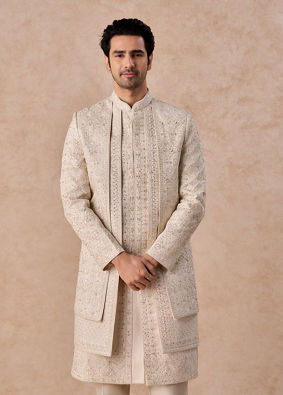
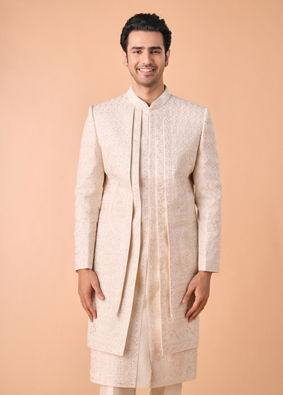
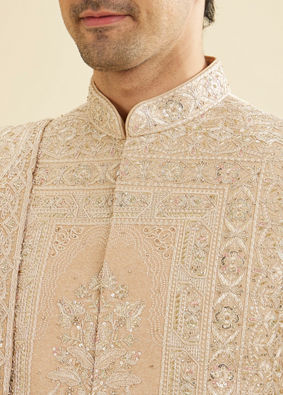
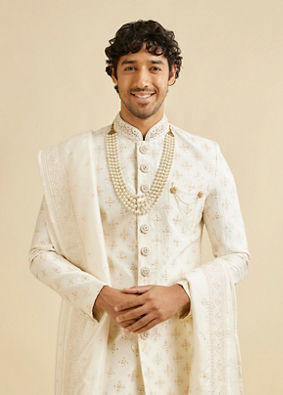
Cream sherwani for Men
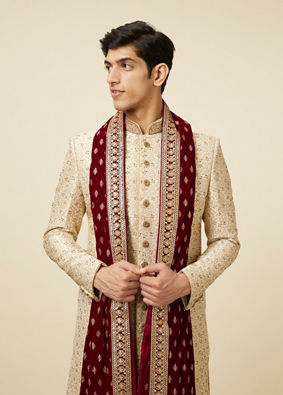
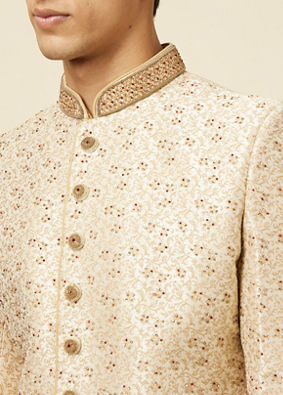
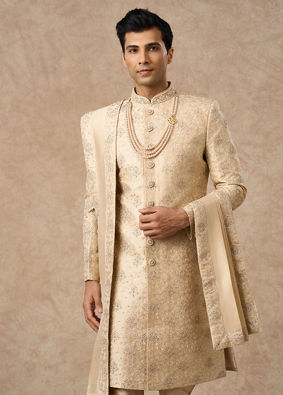
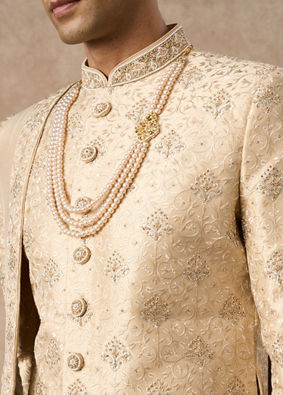
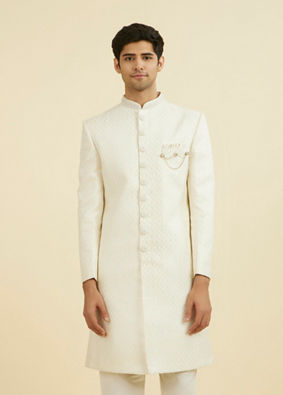
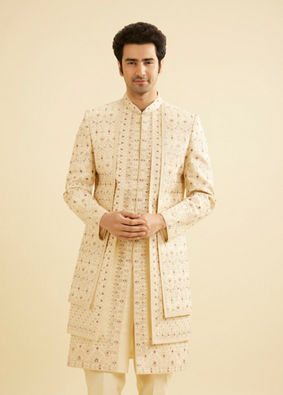
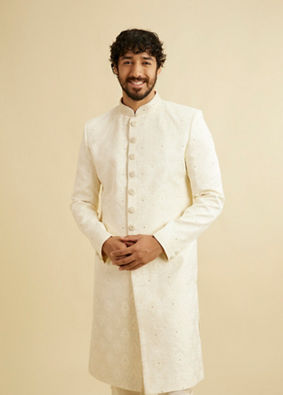
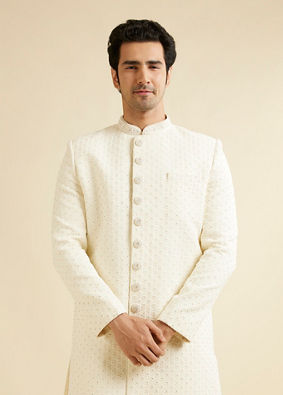
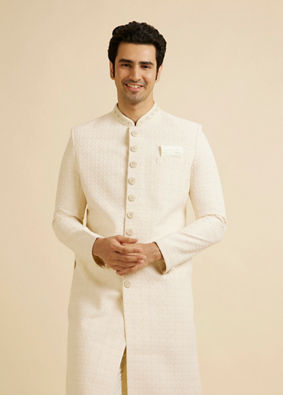
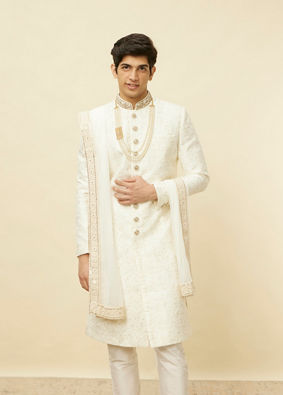
A sherwani is a long, structured jacket-style outfit in cream or warm cream tones, worn over a kurta with coordinated bottoms like churidar or slim pants. It usually features a stand collar, front buttons, a straight or slightly tapered silhouette that falls below the knee, and comes as a complete set with pyjama and often a pocket square or mala.
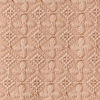
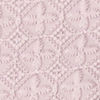
Manyavar’s sherwani options include self-textured brocade pieces, art silk self-designs, and hand-embroidered georgette or silk-blend designs, giving you choices that range from subtle to statement-making.
Why it feels relevant now
This sherwani matches the way celebrations are styled today—lighter décor, pastel themes, and lots of photos in natural and warm lighting. Cream works beautifully against floral mandaps, fairy lights, and ballroom backdrops, and it pairs well with a wide range of bridal outfits, from deep reds to soft pastels.
It’s also a shade that ages well in photos; a sherwani feels classic rather than trend-led, so your wedding or milestone pictures still look relevant years later. Whether you’re the groom, brother, or close family, cream lets the work and structure of the sherwani speak without the colour overpowering everything else.
Fabrics and feel
The fabric defines how formal and luxurious a sherwani feels, and Manyavar leans into premium, occasion-ready bases. You’ll find:
-
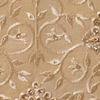
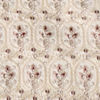
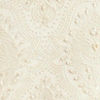
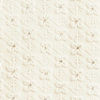
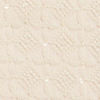
Brocade sherwani sets with self-textured ogee or floral patterns that add depth and a subtle sheen.
-
Art silk sherwani designs with self-design or all-over embroidery, paired with pants and sometimes a jacket.
-
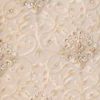
Cream georgette sherwani sets with hand embroidery, moti, and thread work for a lighter, more fluid drape that still looks grand.
-
Blended viscose sherwani pieces with jacquard, zari, and hand embroidery, such as the Enchanting Sherwani.
These fabrics are supported with linings and tailored construction so the sherwani sits comfortably on the shoulders and chest while keeping its shape through long rituals and receptions.
How this cream sherwani is shaped
A well-made sherwani is defined by its fit and surface detailing. Most pieces follow:
-
A straight or gently tapered cut that falls below the knee, with side slits for ease of movement.
-
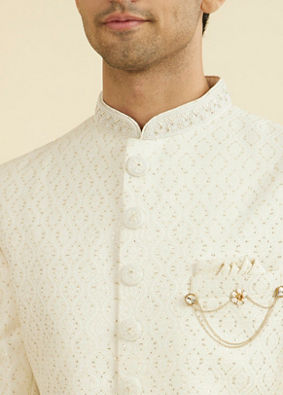
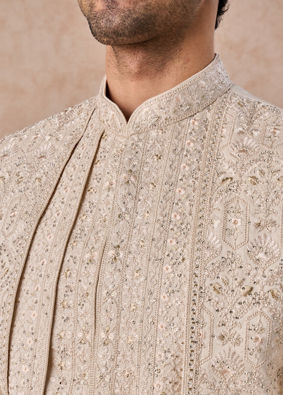
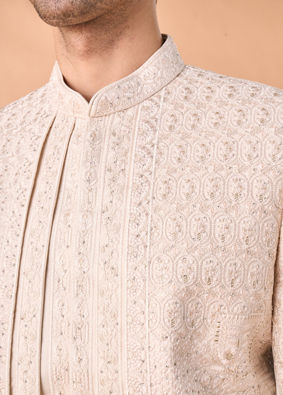
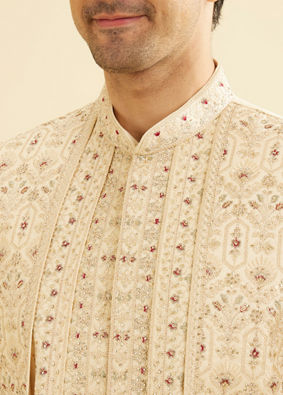
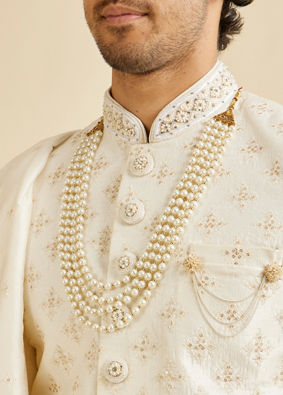
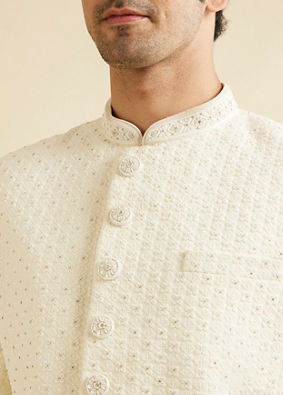
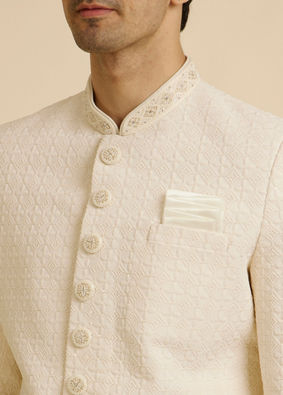
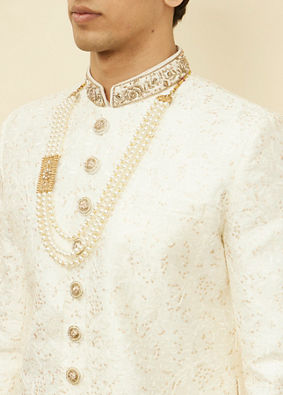
A bandhgala collar that frames the face and often carries embroidery or self-pattern work.
-
True-to-size tailoring designed to look sharp in close-up and full-length photos.
On the surface, you’ll see different work levels:
-
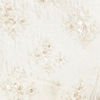
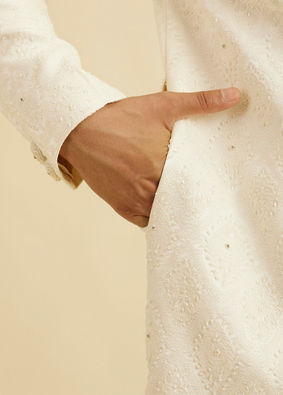
Self-textured brocade or jacquard patterns that keep the sherwani visually rich even without heavy embellishment.
-
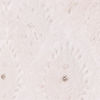
All-over or panel embroidery in thread, zari, sequins, stones, and beads on art silk bases for higher-impact wedding looks.
-
Hand-embroidery with moti and thread work for those who prefer more artisanal detailing.
Together, these elements make a sherwani look complete even before you add accessories.
Occasions it works best for
A sherwani feels at home at the centre of big occasions:
-
Main wedding ceremony and pheras, especially day or early-evening weddings where cream glows beautifully in natural light.
-
Engagements and reception events when you want an elegant, slightly softer colour story compared to strong golds or deep hues.
-
Important family functions and milestone celebrations where you are playing a key role and a sherwani feels appropriate.
If you’re the groom, a more worked sherwani—brocade, sequins, stones, or hand embroidery—is ideal; if you’re a brother or cousin, you might choose a slightly subtler sherwani with self-design or lighter embroidery.
Styling ideas to try
Styling is where your sherwani becomes distinctly “you.”
Core elements to play with:
-
Bottoms: Most sherwani sets come with matching or tonal pants or churidar; you can switch to slightly deeper or textured bottoms if you want more contrast.
-
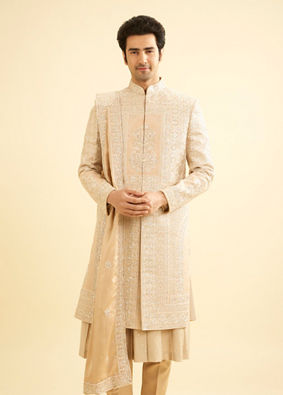
Dupatta or stole: A coordinated cream or off-white dupatta with subtle embroidery or borders instantly elevates the outfit, especially for grooms.
-
Accessories: Pearl or stone malas, jewelled brooches, and a pocket square add focal points to the upper half of the look.
Footwear and headgear:
-
Juti or mojaris in cream, beige, tan, or soft gold pair best with sherwani outfits, keeping the look cohesive from head to toe.
-
A safa in a contrasting or complementary colour (like maroon, gold, pastel, or a shade that echoes the bride’s outfit) helps tie couple photos together.
Because the base is cream, you can safely introduce colour through safa, dupatta, or jewellery without the look feeling busy.
How it fits into your wardrobe
This sherwani is usually one of the most important pieces in your wardrobe, brought out for the biggest days. If you plan to use it beyond a single event, it helps to think about versatility:
-
Choose a sherwani with self-texture or medium-level embroidery that feels special enough for your key function but can also be reworn with different accessories later.
-
After the main event, you can restyle the same sherwani with a different dupatta, safa, or mala for another close-family wedding or milestone celebration.
-
Over time, it can become your go-to formal outfit for important ceremonies, while you rotate kurtas, Indo-western sets, and jackets for smaller days.
With this approach, your sherwani becomes both a memorable wedding piece and a reliable choice for future big moments.
FAQs:
1. For which occasions is a cream sherwani suitable?
A sherwani is ideal for main wedding ceremonies, engagements, receptions, and major family celebrations where you want an elegant, regal presence.
2. What fabrics are common in a cream sherwani?
Manyavar sherwani designs use brocade, art silk, georgette, and blended viscose bases, often with self-texture, embroidery, sequins, stones, beads, and zari work.
3. How should a cream sherwani fit?
It should be true to size, sitting cleanly on the shoulders with a straight or lightly tapered fall below the knee, allowing you to walk and sit comfortably when fully buttoned.
4. How can I style a cream sherwani to match my partner’s outfit?
Keep the sherwani as a neutral base and echo your partner’s colours through your safa, dupatta, mala, or pocket square. This keeps you coordinated in photos without losing the sherwani’s subtle charm.
5. How do I care for a cream sherwani?
These sherwani pieces with brocade, art silk, or hand embroidery should always be dry-cleaned and stored in a breathable garment bag away from direct light to preserve colour and work.

 Filter