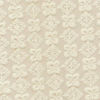
What is a chikankari embroidered kurta
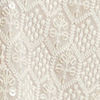
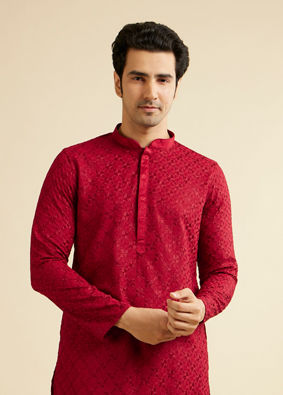
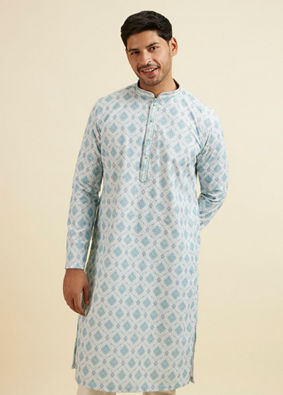
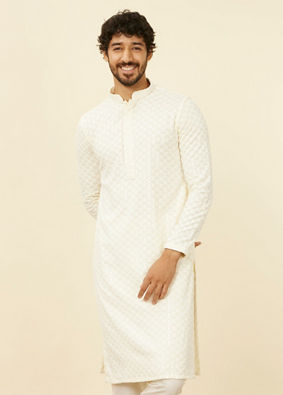
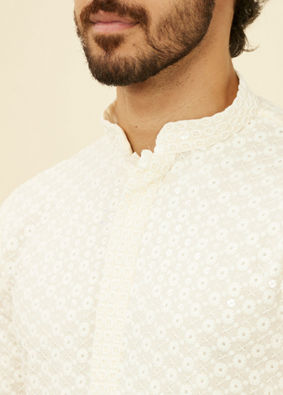
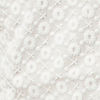
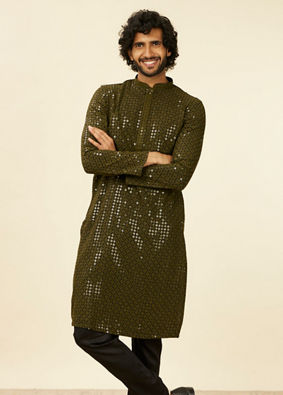
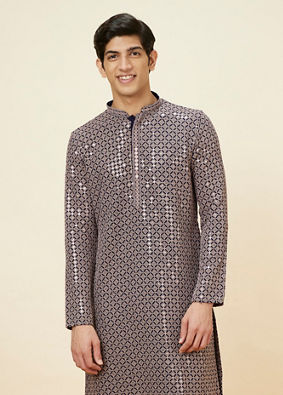
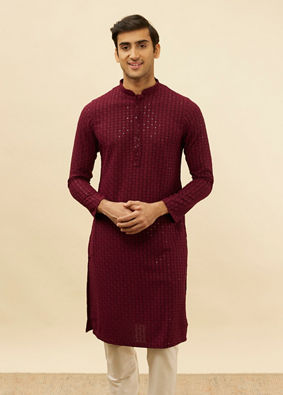
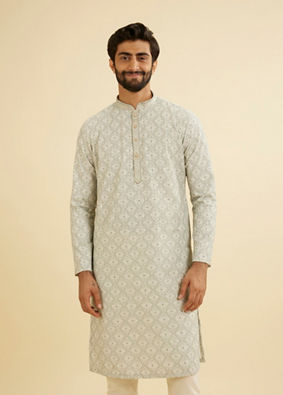
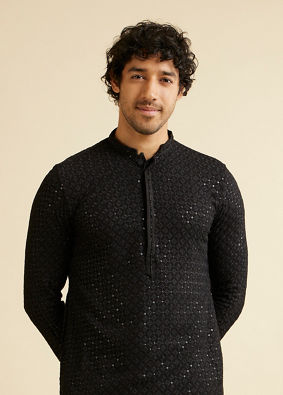
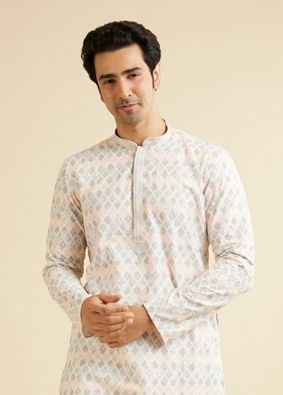
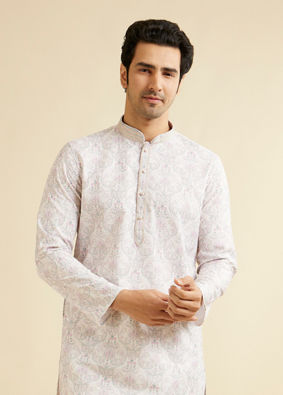
It is a long, straight or slightly tapered kurta highlighted with delicate threadwork inspired by motifs from Lucknow, usually florals, jaal patterns, and paisleys. The embroidery adds gentle texture rather than loud shine, so the kurta feels refined, camera-friendly, and comfortable to wear for hours.
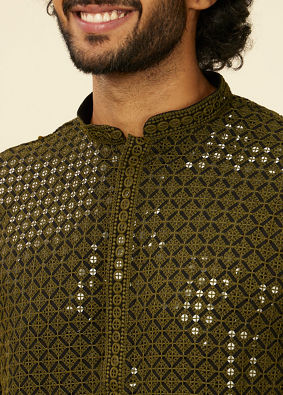
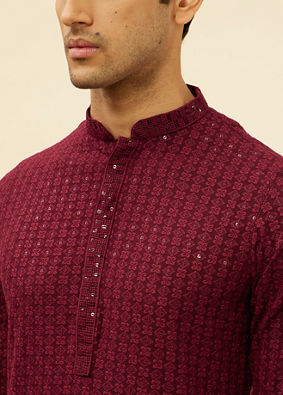
Earlier, chikankari was mostly associated with white-on-white looks, but today you see chikankari kurta designs in creams, pastel pinks, powder blues, mehndi greens, and richer festive tones. Manyavar’s pieces often pair chikankari with subtle sequins or tonal resham, keeping the focus on the craft while adding a light festive sparkle.
Why it works right now
A chikankari embroidered kurta sits perfectly between easy-going and dressed-up, which is exactly what current celebrations and events demand. You might have a small home pooja, a compact haldi, or an office ethnic day where you want to look special but still relaxed, and these kurtas solve that in one step.
There is also a move towards breathable, artisanal details instead of heavy, all-over embellishments. Because chikankari is mostly flat embroidery, it feels lighter on the body and works better in warmer, humid weather while still looking occasion-ready in photos and videos.
Fabrics and feel
Manyavar’s chikankari embroidered kurta options are crafted in easy, skin-friendly bases like blended cotton, viscose, and other soft hand-feel fabrics that sit well on different body types. These materials allow the embroidery to stand out cleanly while letting you move, sit on the floor for rituals, or dance through a sangeet without feeling weighed down.
You will find kurta designs with:
-
Blended cotton for a crisp yet breathable finish, ideal for daytime events.
-
Viscose-based fabrics that drape smoothly and photograph beautifully in pastel tones.
-
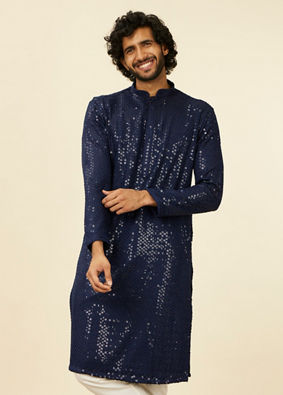
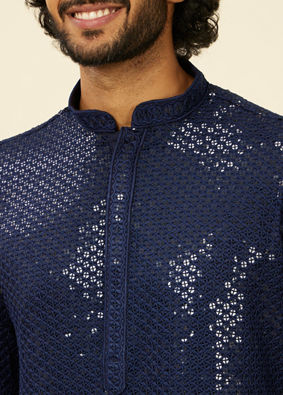
Subtle sequin or shimmer highlights sitting between the chikankari stitches for gentle shine.
The overall feel is soft on the skin, with embroidery that doesn’t poke or feel stiff, which is important when you are wearing the kurta for long hours during weddings or festivals.
Fits, cuts, and details
A typical kurta from Manyavar is cut in a straight or slightly tapered silhouette that flatters most builds without clinging. The length usually hits just below the knee, giving enough room to pair with churidars, straight pyjamas, or even slim-fit trousers.
Key styling details you’ll notice:
-
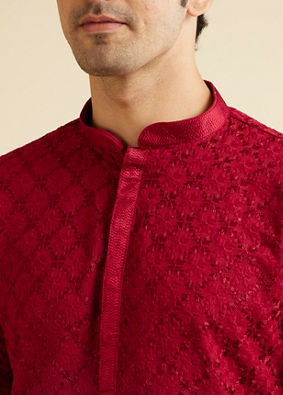
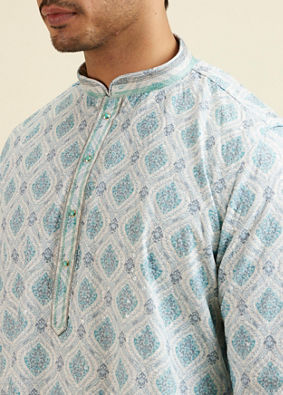
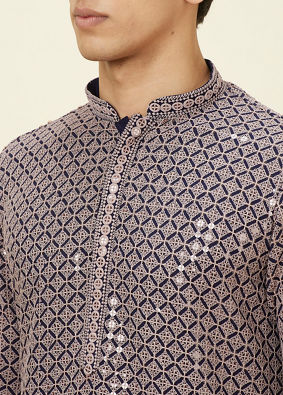
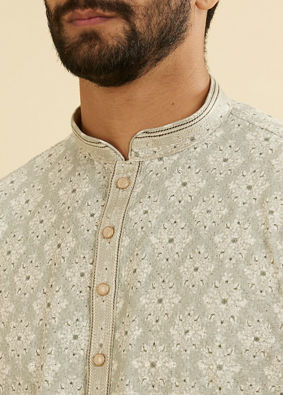
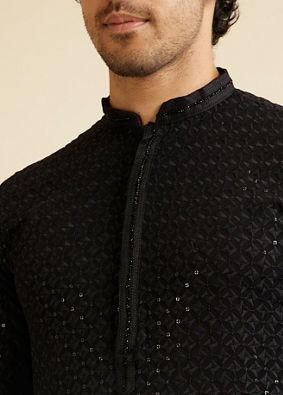
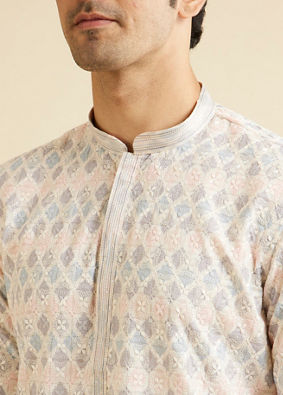
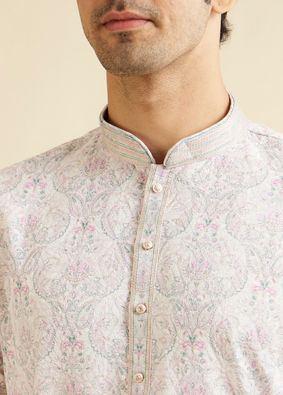
Mandarin neckline that feels neat and modern, especially for office or college events.
-
Full sleeves with clean cuffs so the embroidery stays the hero.
-
Side slits for ease of movement and comfortable seating on diwans or floor cushions.
When you choose a kurta focus on shoulder fit first; if your shoulders sit right, the straight cut will usually fall well along the rest of the body.
Colours and motifs
Chikankari is all about subtle romance in the details, and that reflects in the colour stories Manyavar uses. You’ll see chikankari kurta pieces in:
-
Creams and beiges for classic, versatile looks that work across functions.
-
Powder blues and quartz pinks when you want something soft yet eye-catching for daytime photos.
-
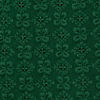
Mehndi greens and other festive shades that sit beautifully at haldi ceremonies and mehndi nights.
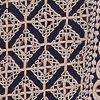
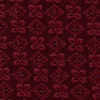
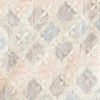
The embroidery usually carries floral vines, jaal, and delicate buttas running across the front panel, sleeves, and sometimes the back, creating an even, balanced pattern. In some kurta styles, sequins are nestled into the motifs, adding a glint when the light hits, ideal for evening events.
Where to wear chikankari embroidered kurtas
A well-chosen kurta slides into several parts of your life with ease.
You can reach for it when you have:
-
A Diwali card party or house gathering where you want something dressy but not too loud.
-
Haldi, mehndi, or sangeet celebrations where lighter, brighter embroidery feels perfect for day functions.
-
A cousins’ roka or engagement at a small banquet hall, paired with sharper accessories for a more polished look.
-
Office festive day or Friday ethnic dressing, where this kurta keeps things refined yet comfortable.
-
College or campus ethnic day, teamed with straight pants and simple footwear for an easy, youthful vibe.
Because the embroidery is intricate but not overpowering, you can also repeat the same kurta across multiple events just by switching up your bottoms and accessories.
Styling
The same kurta can look minimal or almost occasion-ready depending on how you style it.
-
For a relaxed, daytime look: Pair your kurta with cotton pyjamas or straight-cut trousers in a matching or slightly deeper tone. Slip into tan kolhapuris or simple sandals. Keep accessories to a slim watch or bracelet so the embroidery stays in focus.
-
For festive evenings and weddings: Elevate the kurta with a churidar or pencil pyjama that narrows at the ankle for a sharper line. Add mojaris or embroidered slip-ons, and a sleek brooch or pocket square if your kurta has a pocket. In cooler weather, layer with a solid-colour Nehru jacket; the contrast between the plain jacket and textured chikankari creates a rich, layered look.
-
For younger, campus-friendly styling: Team the kurta with ankle-length tapered trousers. Choose minimal sneakers or clean, open sandals for a high-low mix. Roll sleeves slightly if the occasion is casual, as long as the embroidery still shows near the cuffs.
How the kurta fits into your wardrobe
A good chikankari embroidered kurta quickly becomes the piece you rely on when plans are fixed at short notice—a last-minute invite to a home Ganesh chaturthi aarti, a surprise office celebration, or a small family dinner after a temple visit. It looks dressed-up in photos without feeling costume-like, and that balance is what makes it so relevant now.
You can build a mini line-up around it: one neutral chikankari embroidered kurta in cream or beige, and one soft colour like blue, green, or pink. Between these, plus a couple of different bottoms, you cover most seasons and most social plans without needing an entirely new outfit every time.
Frequently Asked Questions (FAQs):
1. What makes a chikankari embroidered kurta special?
The kurta stands out because of its fine, hand-inspired needlework that adds subtle depth and texture instead of heavy, loud embellishments. The craft carries a long Lucknow heritage, yet the silhouettes and colours used today feel modern and easy to wear.
2. Is a chikankari embroidered kurta comfortable for long events?
Yes, these kurtas are usually crafted in breathable, soft fabrics like blended cotton and viscose that stay comfortable even during longer rituals or back-to-back functions. The embroidery is designed to sit smoothly on the fabric so it doesn’t feel scratchy against the skin.
3. Where can I wear a chikankari embroidered kurta?
You can wear the kurta for Diwali get-togethers, haldi or mehndi functions, intimate weddings, office festive days, and even campus ethnic events. Its balanced look works well for both small home poojas and slightly more formal celebrations.
4. How should I style a chikankari embroidered kurta for a wedding?
For weddings, pair your kurta with a churidar or slim pyjama, mojaris, and, if you like, a contrasting jacket for added structure. Small touches like a brooch, classic watch, or pocket square can bring the whole look together.
5. How do I care for a chikankari embroidered kurta?
Most chikankari kurta styles are best kept in shape with gentle dry cleaning, especially when sequins or multiple threads are involved. If a piece is tagged as hand-washable, use mild detergent, cool water, and avoid wringing so the embroidery stays intact.
Cotton Chikankari Kurta

 Filter
_20-03-2024-16-49:283x395)
_20-03-2024-16-49:283x395)
_20-03-2024-16-49:Swatch)