The Silhouette Appeal
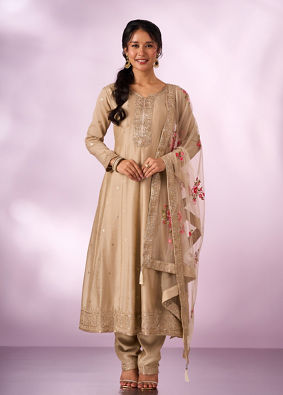
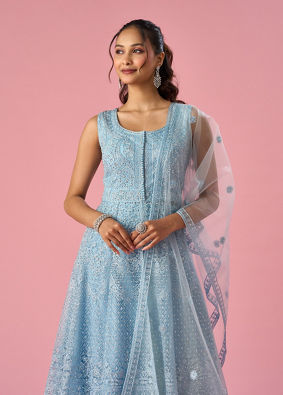
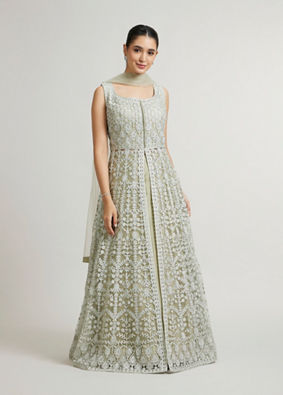
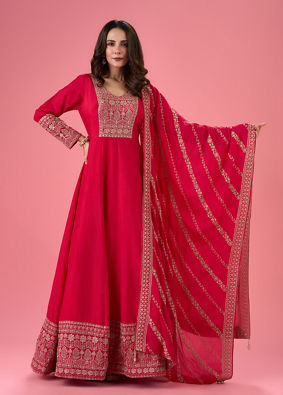
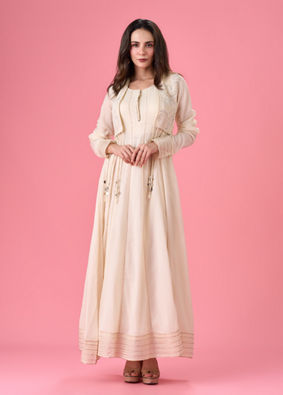
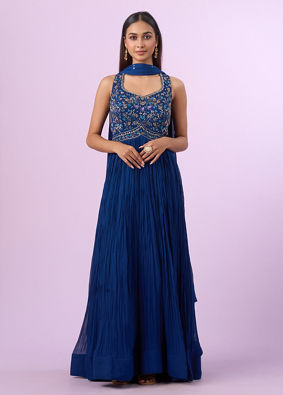
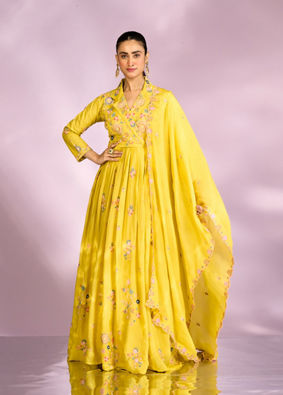
The Anarkali silhouette has stayed loved for years because it flatters without trying too hard. It fits neatly at the top and then opens into a gentle flare, creating movement and giving the outfit a graceful, almost floating feel. That makes it especially appealing for women who like their festive wardrobe to feel feminine, comfortable, and just formal enough for an occasion.
An anarkali suit also works across body types because the flare adds ease without clinging too closely to the body. It can make the wearer feel taller, softer, and more balanced, especially when the length, sleeve shape, and dupatta are chosen with care. That balance is part of why the silhouette keeps coming back in new colors, fabrics, and embroidery stories.
Colors With Mood
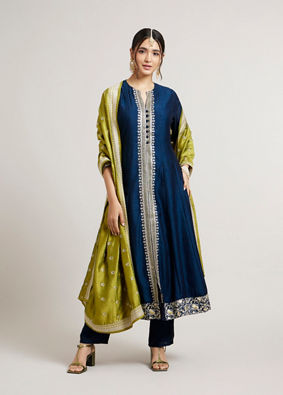
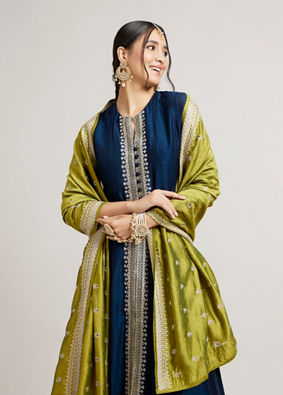
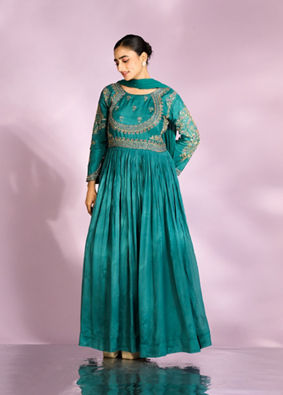
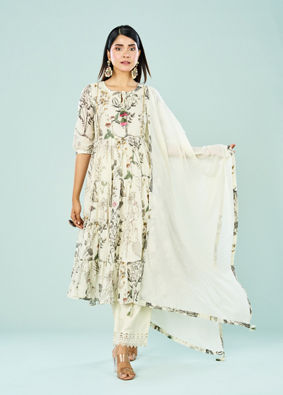
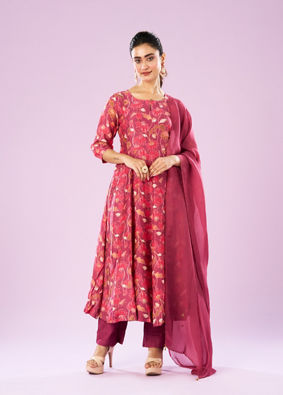
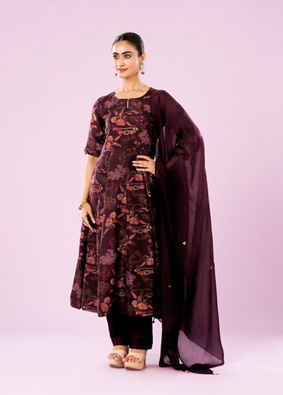
Color immediately changes the personality of the suit. Soft cream and ivory shades feel elegant and calm, making them ideal for daytime functions or occasions where you want a refined, quietly beautiful look. Rich wine, maroon, teal, mustard, and green bring in more festive energy and can instantly make the same silhouette feel more celebratory and evening-friendly.
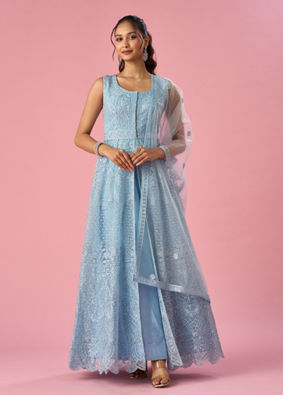
If you like light, fresh styling, pastel tones such as lilac or soft pink can feel youthful and modern. For more dramatic events, deeper jewel tones work beautifully, adding visual depth without making the outfit look heavy. This range of colors and moods is one of the reasons an anarkali suit suits so many kinds of celebrations throughout the year.
Fabrics That Flow
Fabric matters a lot in anarkali dressing because the shape depends on how well the garment falls. Tissue, chinon, net, art silk, and other fluid fabrics all help the flare move gracefully and keep the outfit feeling light on the body. A good suit should feel soft when you walk, sit, and turn, not stiff or bulky.
Mohey’s stitched anarkali styles are built for wearability, which means the fabric and finishing work together to support the silhouette rather than fight it. That is especially important for long events when you want to enjoy the celebration rather than constantly adjusting your outfit. The result is a look that feels rooted in occasion dressing but still easy enough for real life.
Embroidery And Detail
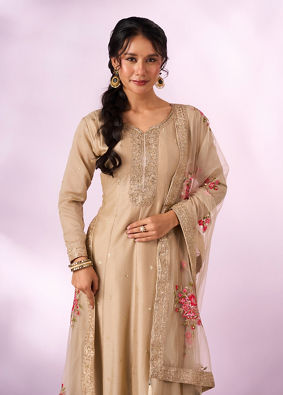
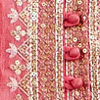
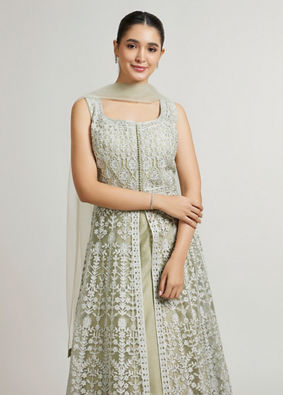
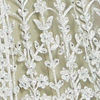
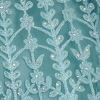
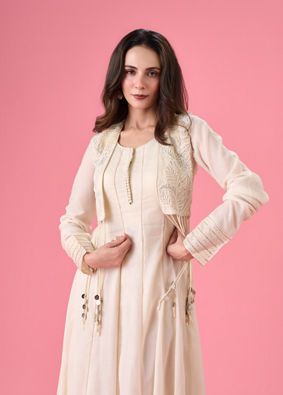
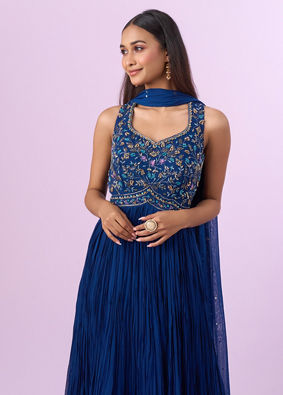
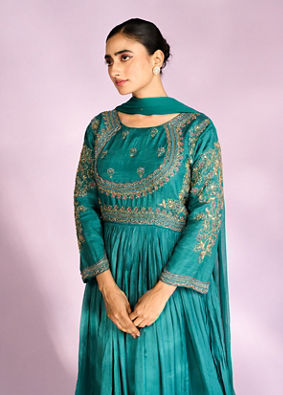
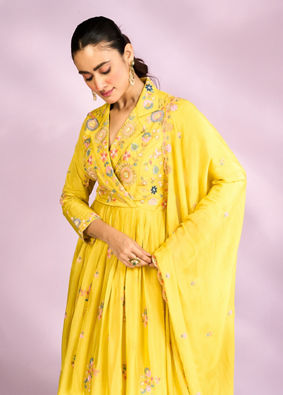
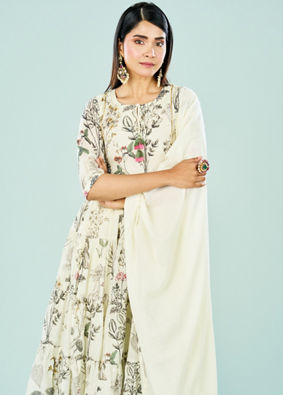
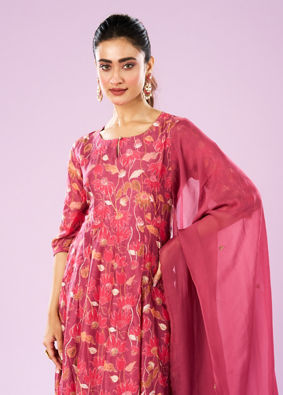
The beauty of an anarkali suit often lies in the details. Linear buta work, scallop patterns, floral embroidery, tassel trims, and subtle stone or rhinestone accents all change the tone of the outfit in different ways. A more minimal design feels graceful and understated, while a richer surface treatment can push the look into reception-ready or festive-evening territory.
For women who don’t want too much shine, a clean embroidered suit with thoughtful placement can be the sweet spot. If you do want more visual impact, mirror work, metallic touches, or slightly heavier threadwork can make the silhouette stand out beautifully in photos and in person. The key is that the embroidery should support the flow of the outfit, not overpower it.
Styling The Dupatta
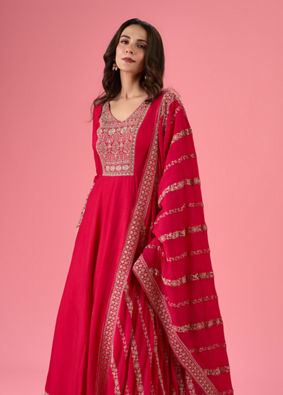
The dupatta is more than just an add-on in an anarkali suit—it can reshape the whole look. A sheer dupatta feels lighter and more modern, especially when the kurta already has enough detail to hold attention. A border-rich or embellished dupatta can add a ceremonial feeling, which is useful for weddings, family rituals, and larger festive gatherings.
How you wear it also matters. Draped neatly over one shoulder, the outfit feels clean and composed; worn more fully across the front, it feels traditional and formal. That flexibility makes the suit especially useful for women who like to adapt their style depending on the function and the crowd.
Fit That Flatters
Fit can make or break an anarkali suit. The bodice should sit comfortably, the flare should begin at the right point, and the length should allow the outfit to sweep elegantly without making it hard to walk. When all of that comes together, the silhouette creates a very flattering line that feels elegant from every angle.
Mohey’s stitched suit approach helps here because it gives the outfit a ready-to-wear ease while still keeping the structure polished. That is useful for women who want something dependable for family events, festive gatherings, or wedding moments where comfort matters just as much as appearance. A well-fitted suit also photographs better because the flare falls smoothly instead of bunching at the waist or hips.
Footwear And Jewelry
The right accessories can shift the entire mood of the outfit. For footwear, juttis, low block heels, or elegant sandals work well because they let the flare stay the focus while keeping the look practical for long events. If the outfit is more ornate, a simpler shoe keeps the styling balanced; if the outfit is minimal, footwear can bring in a little extra shine.
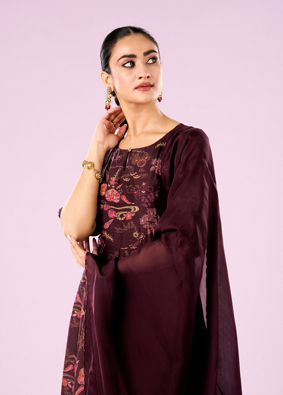
Jewelry should follow the same principle. Cream or pastel anarkalis pair well with delicate earrings and a soft necklace, while richer shades like wine, teal, or maroon can pair well with bolder jhumkas or a layered set. A sleek bun, open hair with soft waves, or a low braid can complete the look without taking attention away from the silhouette.
Where It Fits In
The suit works for so many occasions because it sits in the middle ground between simple and dressed up. It feels right for Diwali evenings, family lunches, office festive events, engagement functions, Raksha Bandhan plans, and even smaller wedding ceremonies where you want to look polished but not overdressed. That versatility is a big part of its appeal.
It also works well for women who want a graceful alternative to a lehenga or saree. The ease of a stitched suit, combined with the fluid beauty of the Anarkali shape, makes it one of the most dependable options in a festive wardrobe. Whether you are the bride’s sister, a bridesmaid, or a guest who likes classic dressing with a modern edge, this silhouette fits naturally into the moment.
How To Rewear It
One of the strongest reasons to choose an anarkali suit is rewear value. A richer embroidered piece can return for another wedding function with different jewelry, while a lighter cream or pastel version can work beautifully for poojas, family dinners, or formal gatherings. Even the dupatta and bottoms can sometimes be styled with other separates if the design is versatile enough.
This is where Mohey’s approach makes sense for practical shoppers. The category is not just about one-time occasion wear; it is about buying something that still feels lovely on the third or fourth wear. That makes the suit a smart wardrobe investment for women who want elegance and value in the same outfit.
Care And Storage
An anarkali suit usually deserves gentle care, especially if it includes embroidery, net, or delicate detailing. Air it out after wearing, store it in a cloth bag or muslin wrap, and keep sharp jewelry away from fragile fabric surfaces. If you need to steam it, use a light touch so the flare keeps its shape and the surface work stays intact.
These small steps help the outfit stay fresh and wearable for future occasions. Since the suit often becomes a repeat favorite, keeping it in good condition means you can return to it whenever you want something graceful without having to think too much about styling from scratch.
Frequently Asked Questions (FAQs)
1. Is an anarkali suit comfortable for long functions?
Yes, the flare allows easy movement, and the silhouette feels comfortable for long celebrations when the fit is right.
2. Which fabrics are best for an anarkali suit?
Tissue, chinon, net, art silk, and other flowing fabrics work well because they support the flare and feel light to wear.
3. What colors work best for festive anarkalis?
Cream, ivory, wine, maroon, mustard, teal, green, and pastel pinks all work beautifully depending on the occasion and time of day.
4. Can I wear an anarkali suit to a wedding event?
Absolutely. It works well for mehendi, engagement functions, receptions, and smaller wedding ceremonies where you want to look elegant but not overly heavy.
5. What kind of jewelry suits this silhouette?
Delicate earrings and a light necklace suit softer colors, while richer shades pair well with bolder jhumkas or layered festive jewelry.
6. Can I rewear an anarkali suit for other occasions?
Yes, it can be restyled for Diwali, poojas, office events, family dinners, and other festive or semi-formal occasions.
7. What is an anarkali suit and how is it different from a regular salwar suit?
An anarkali suit has a fitted bodice at the chest or waist that flares out into a long, voluminous, floor-length or ankle-length skirt-like kurta, typically paired with a churidar, palazzo, or straight-cut bottom — in contrast to a regular salwar suit's straighter, less dramatically flared kurta.
8. What is included in a full anarkali suit set with dupatta?
A complete set includes the flared anarkali kurta, matching or contrasting bottoms (churidar, palazzo, or straight pants), and a dupatta, which is typically draped across the chest to let the flare of the outfit remain visible.
9. What is the difference between a plain, simple, and heavy anarkali suit?
A plain or simple anarkali suit has minimal embellishment and works well for daily wear or small gatherings, while a heavy anarkali suit features intricate embroidery, zari, or embellishment and is reserved for weddings or grand celebrations.
10. What is a party wear anarkali suit versus a bridal anarkali suit?
Party wear anarkali suits favour lighter fabrics like georgette or chiffon with moderate embellishment suited to evening functions, while bridal anarkali suits use richer fabrics like silk or velvet with heavier zardozi or mirror work for the wedding itself.

 Filter